Industrial design, system design, prototyping, fabrication, electronics, controls logic, and project storytelling.
Industrial design case study
PlastiVista
A circular manufacturing system turning plastic waste into designed products.
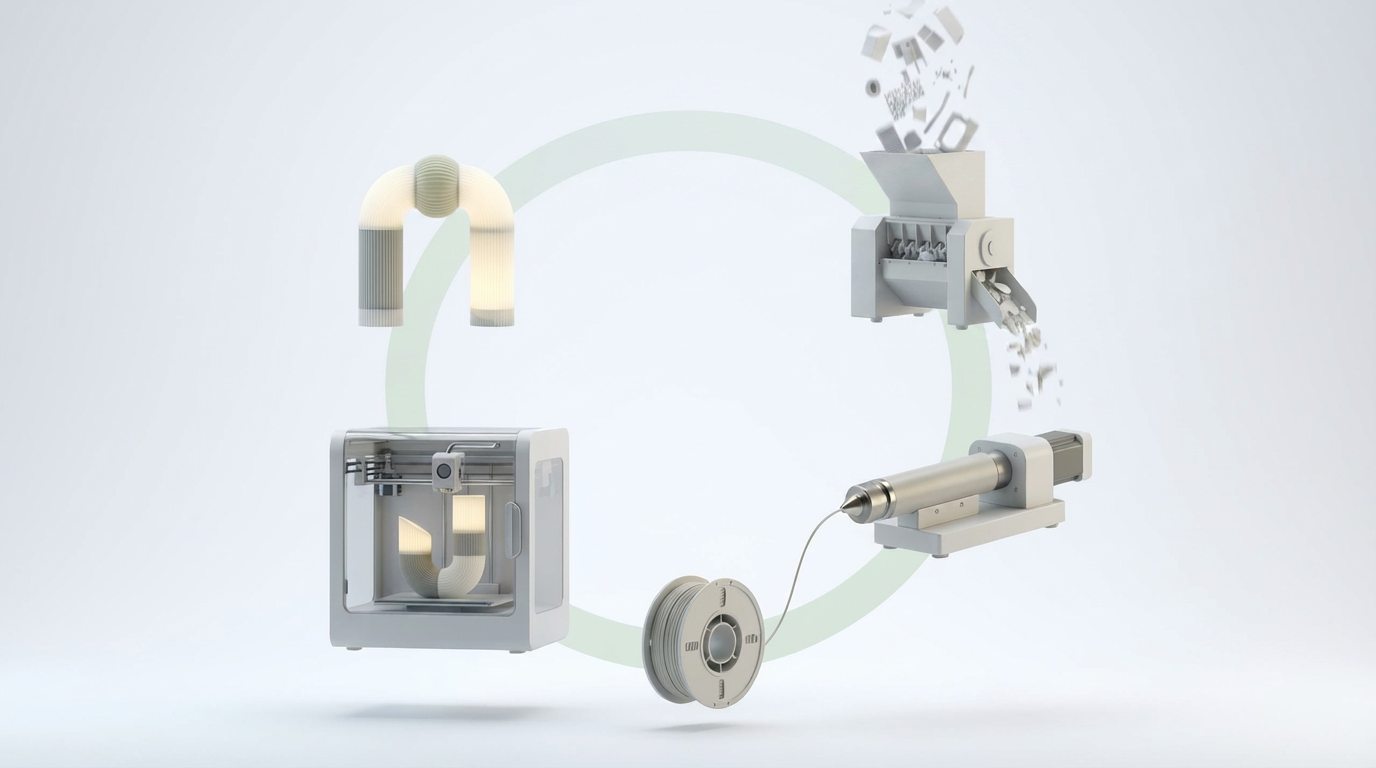
PlastiVista connects waste collection, shredding, extrusion, filament production, 3D printing, and product design into one local material loop. It is the system layer behind Sol Seven Studios: the infrastructure that lets material, hardware, electronics, and designed objects belong to the same story.
System design
Fabrication
Controls
Recycled filament
Patent Pending
00
Project overview
Designing the system behind the object.
Sol Seven Studios shows the product-facing result. PlastiVista shows the machinery, material decisions, and control logic that make that result circular instead of symbolic.
CAD, 3D printing, shredding, extrusion, recycled filament, Arduino-based controls, wiring, enclosure design, and iterative material testing.
A local circular production system connected to Sol Seven Studios, turning failed prints and plastic scraps into usable material for designed products.
01
Problem
Opportunity
Context
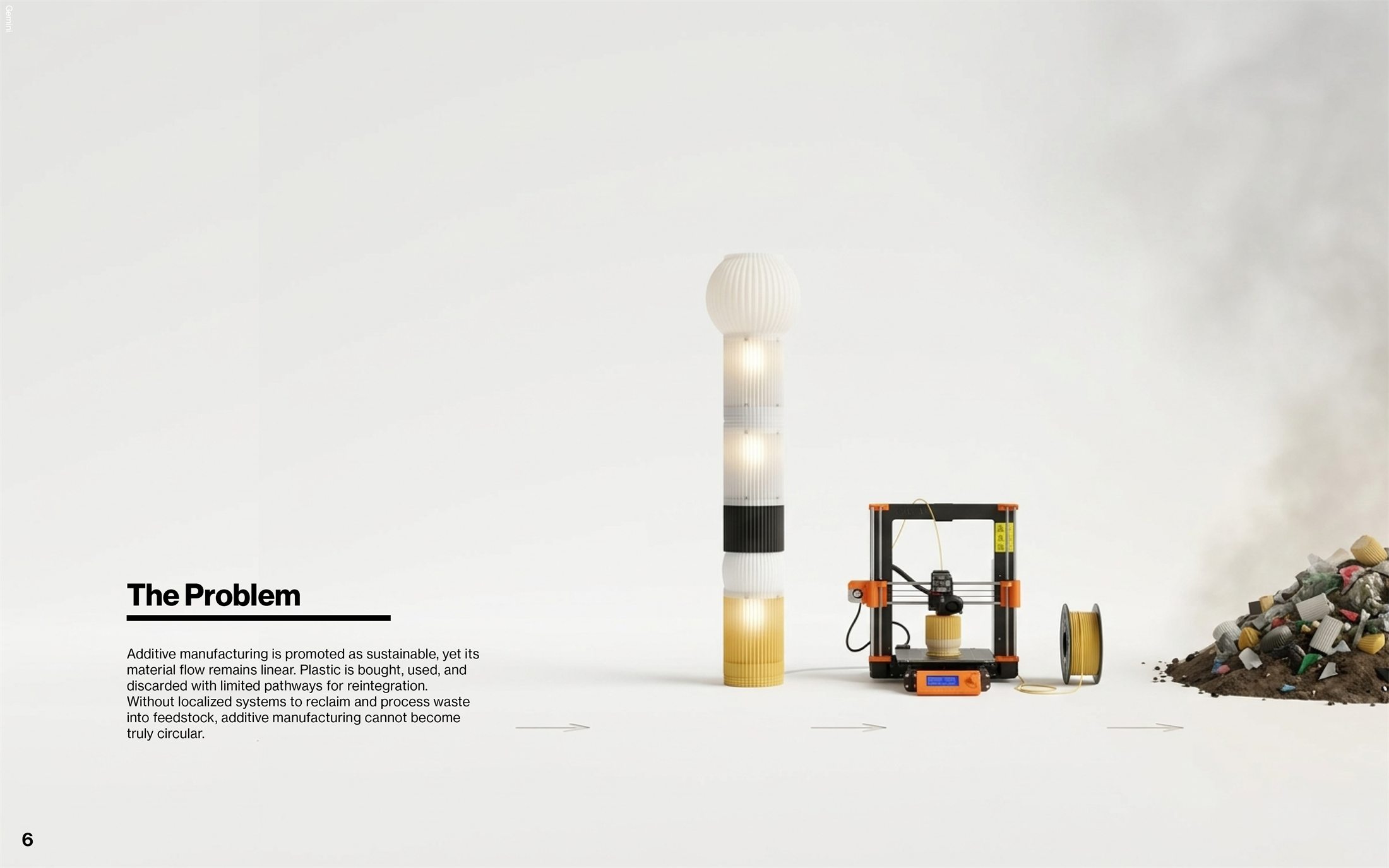
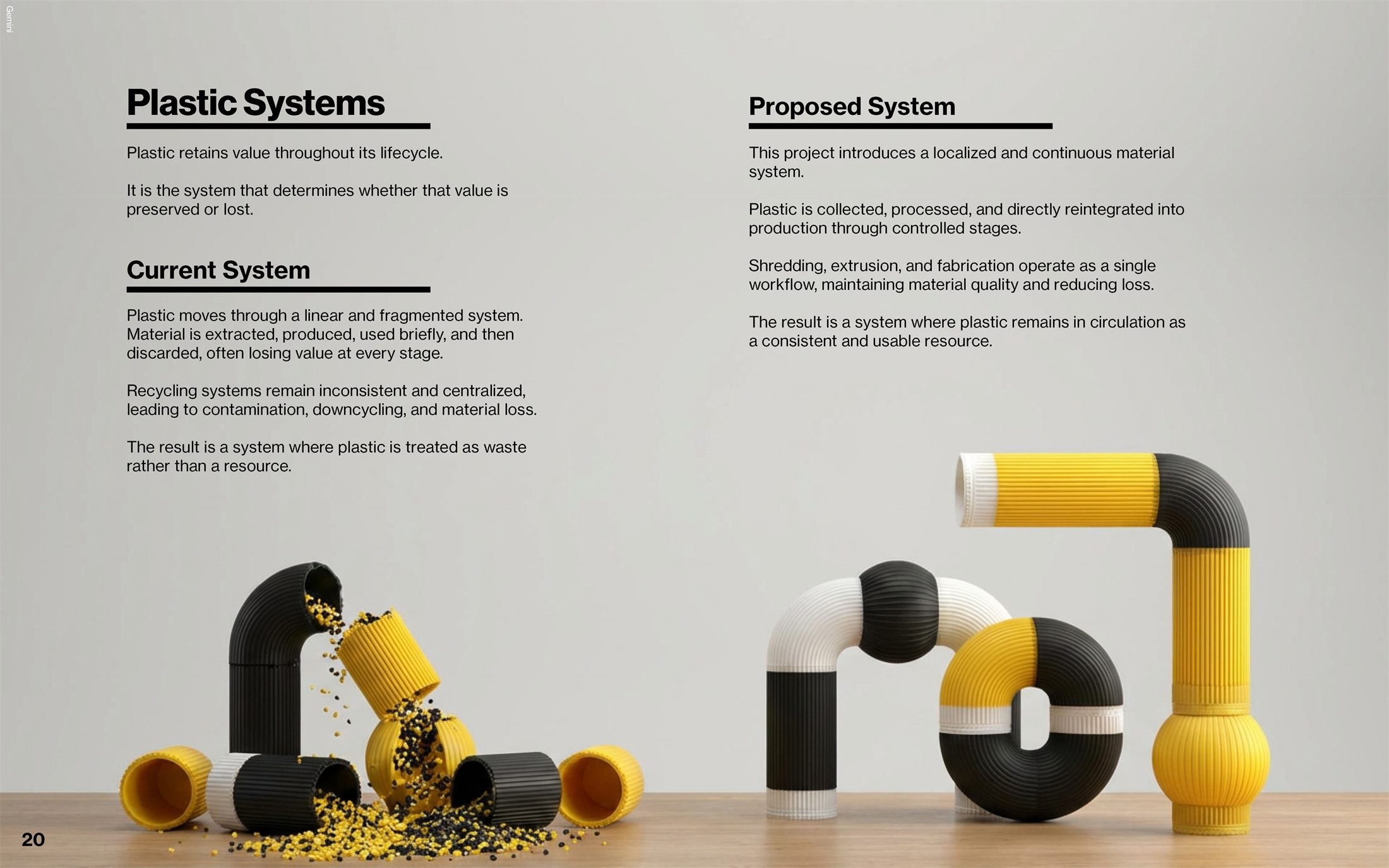
The plastic problem becomes visible inside the studio.
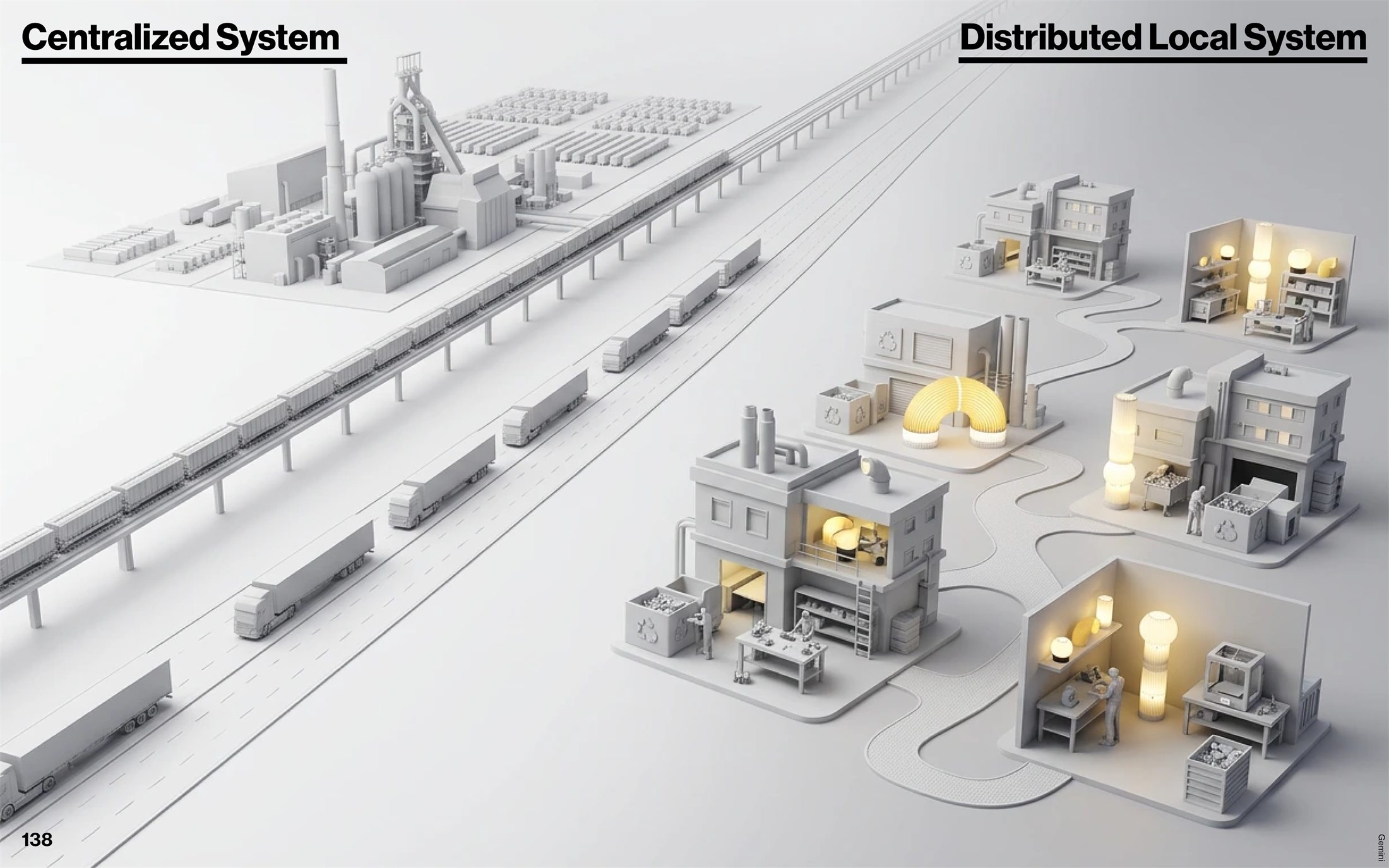
Failed prints, purge material, support structures, packaging, and offcuts often leave the studio as low-value waste. Centralized recycling systems are distant from the design decisions that create the waste in the first place.
PlastiVista starts from a simple observation: the waste stream is not only an environmental issue. It is also a design material, a logistics problem, and a missed opportunity for local manufacturing.
Waste disappears from the process before designers can learn from it.
Keep material close enough to be measured, processed, tested, and reused.
Insight
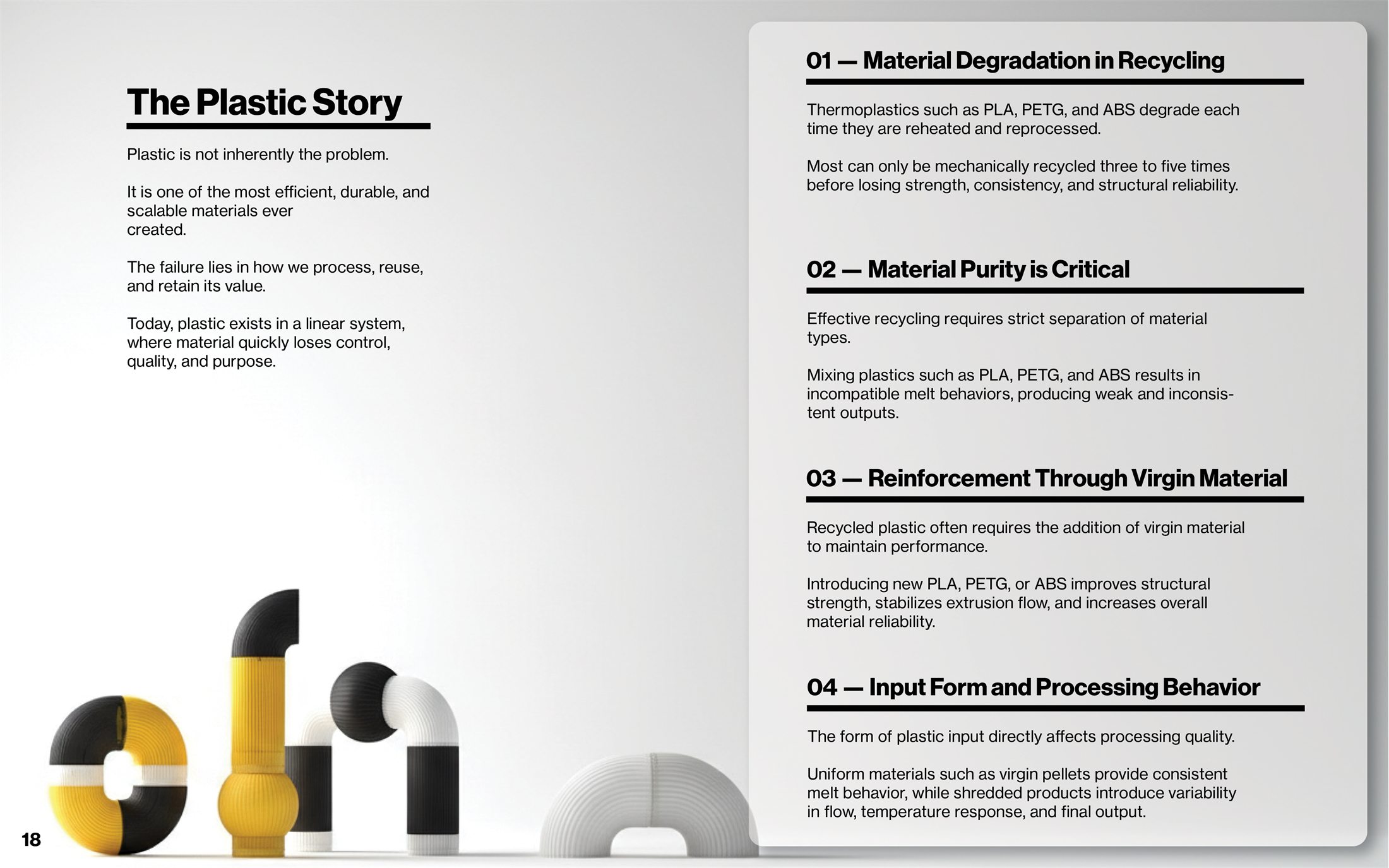
Waste is not the end of the process. It is local manufacturing material.
That shift changed the project from a product-only exploration into a full material pipeline: a system for recovering value before it leaves the studio.
02
System concept
A local loop for circular production.
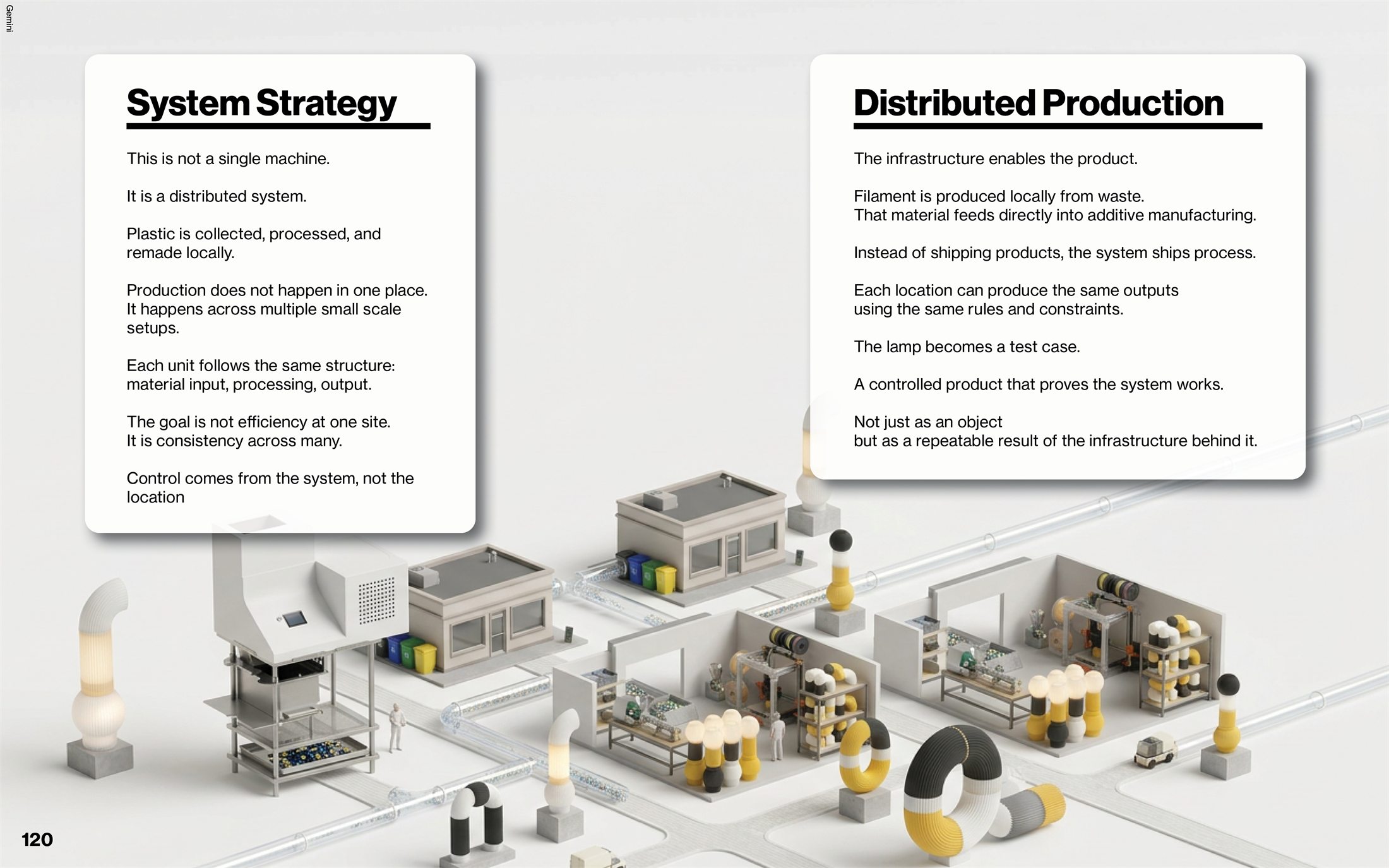
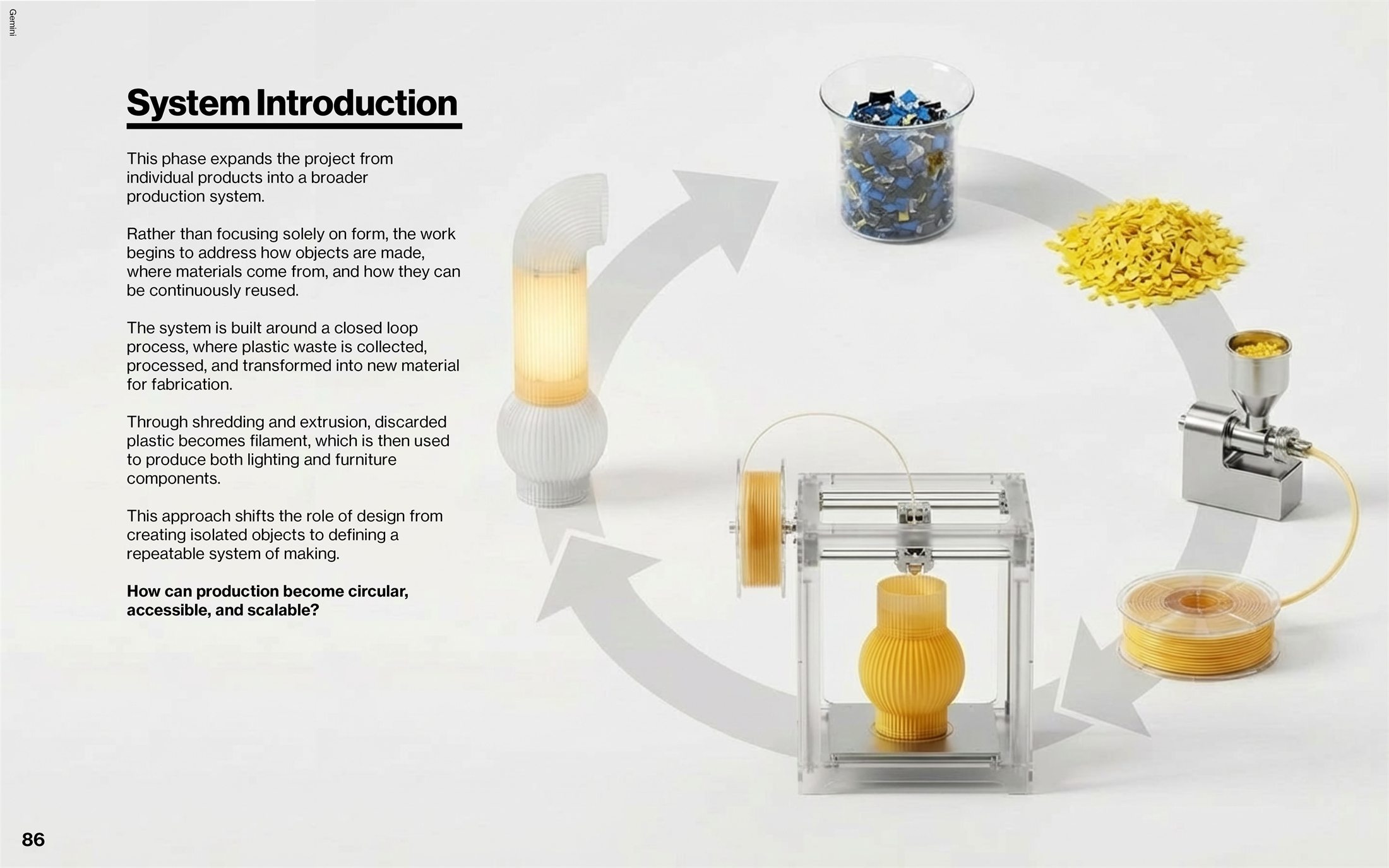
The core system maps a complete material path from collection to product and back again. Each step is both a machine interaction and a design decision.
01
Waste
Failed prints, scraps, and plastic offcuts enter the loop.
02
Shred
Material is reduced into consistent flakes for processing.
03
Extrude
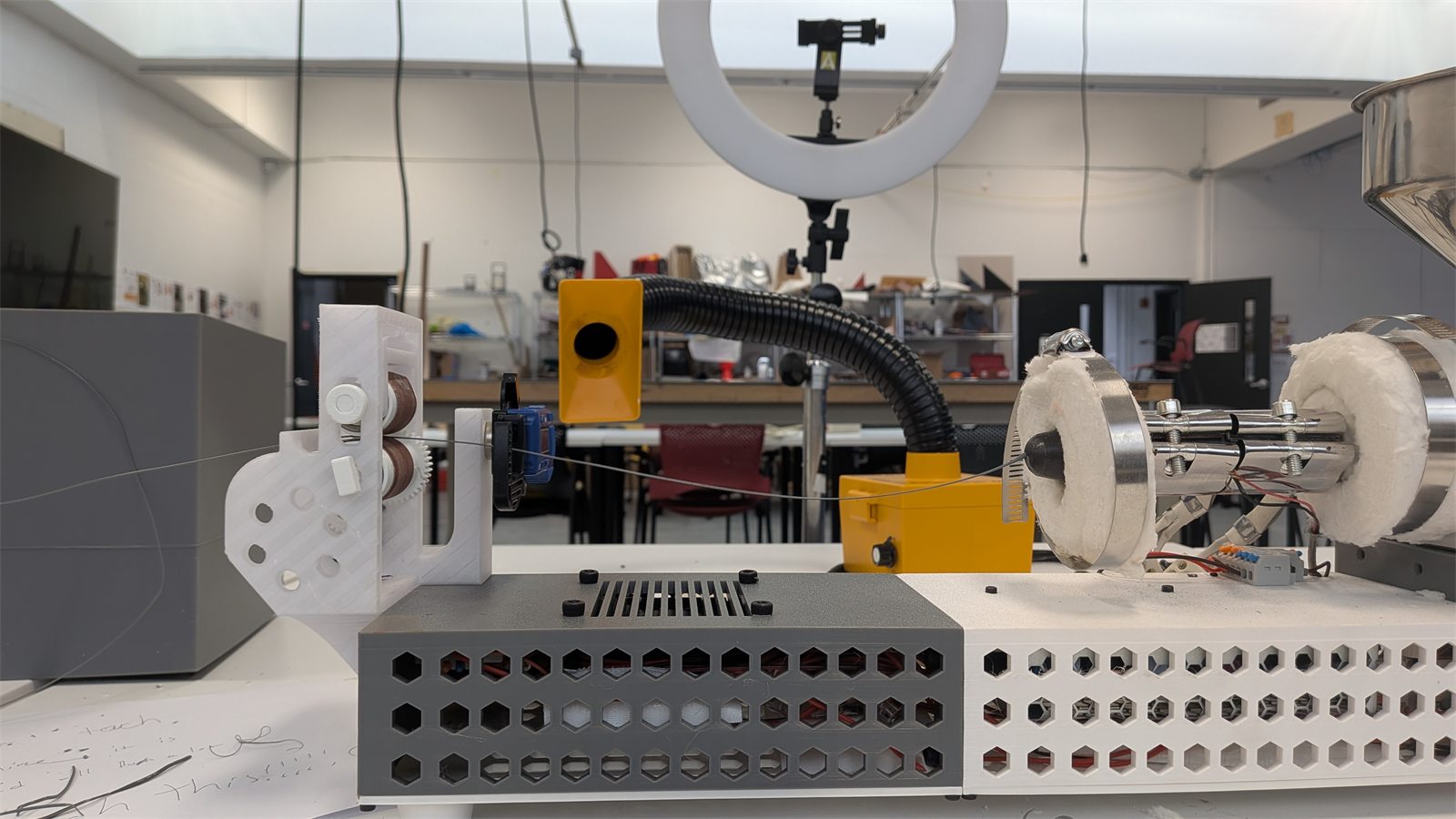
Flakes are heated, pushed, and stabilized into a continuous line.
04
Filament
Recycled material becomes printable stock for the studio.
05
Print
Parts, tests, and products move from CAD into physical form.
06
Product
Sol Seven Studios becomes the visible expression of the loop.
07
Reprocess
Offcuts and failed tests return to the beginning.
Start with a controlled local stream so material quality is knowable.
Shred and extrude with repeatable settings rather than one-off experiments.
Print samples, track failures, and feed the learning back into the system.
Turn the material loop into products people can understand and keep.
03
Divergent exploration
From product ideas to a circular manufacturing platform.
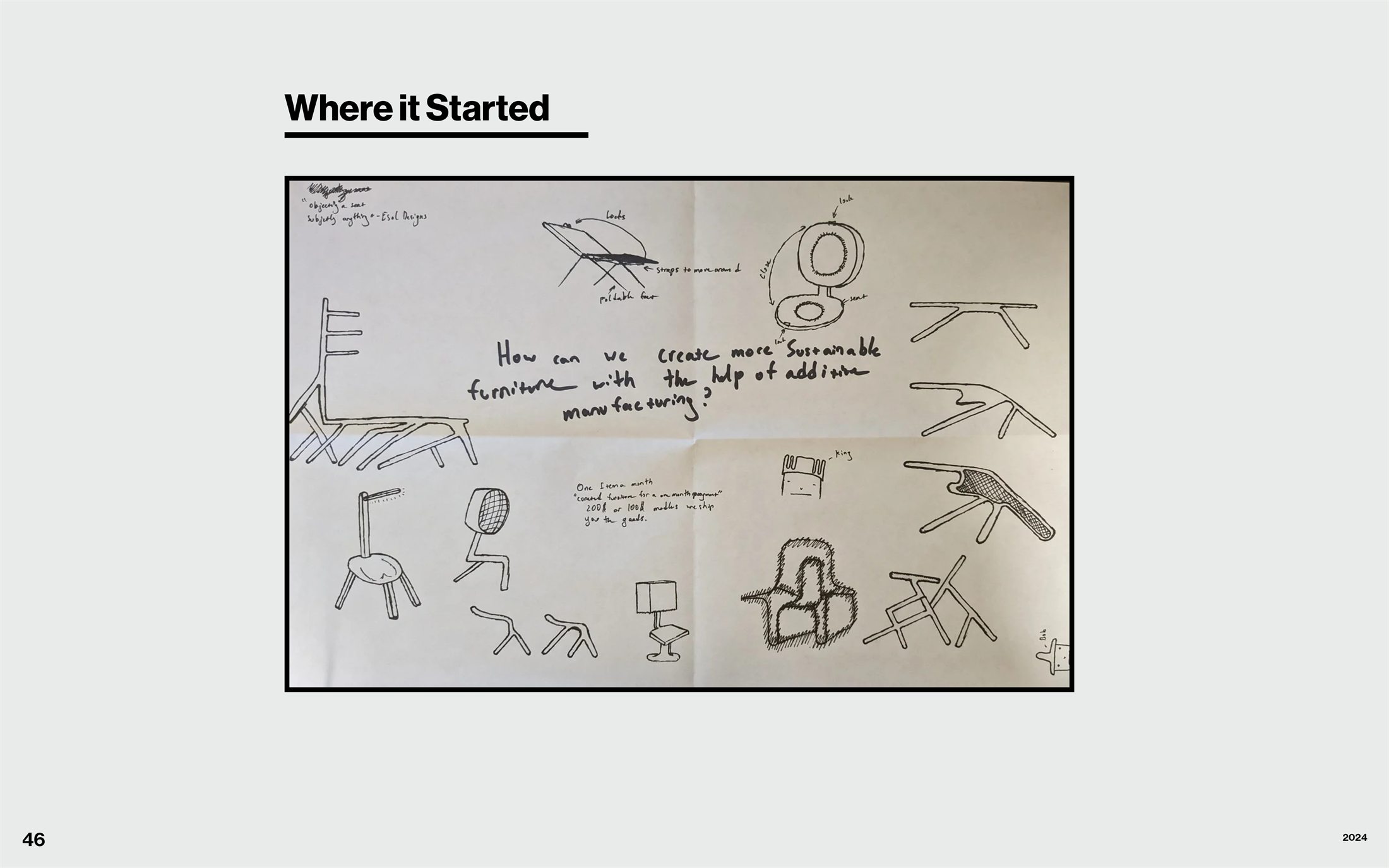
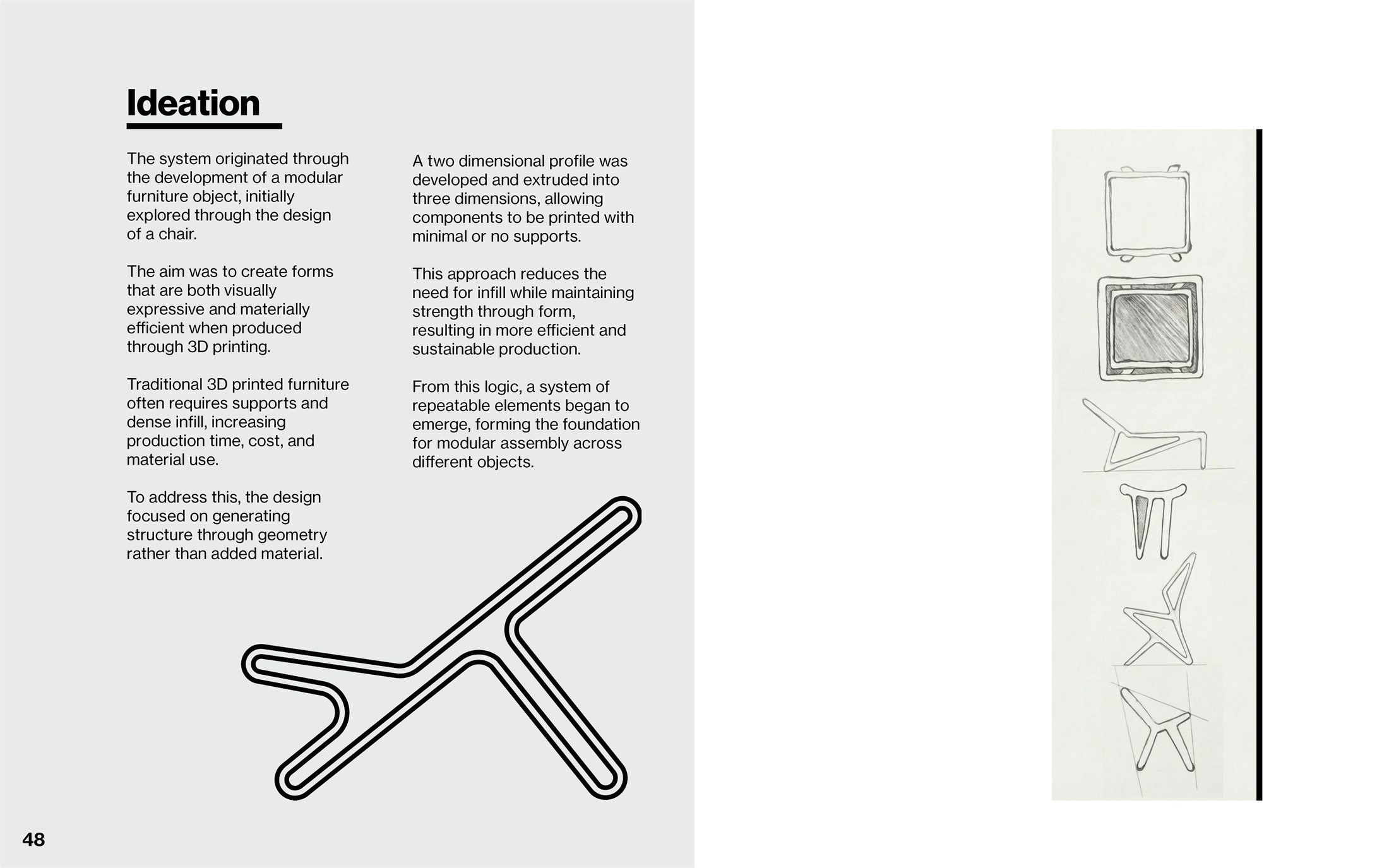
The early work tested multiple directions: product forms, service models, reward systems, machine layouts, and exhibition formats. The project became stronger when the focus moved from a single product to the infrastructure that could make many products possible.
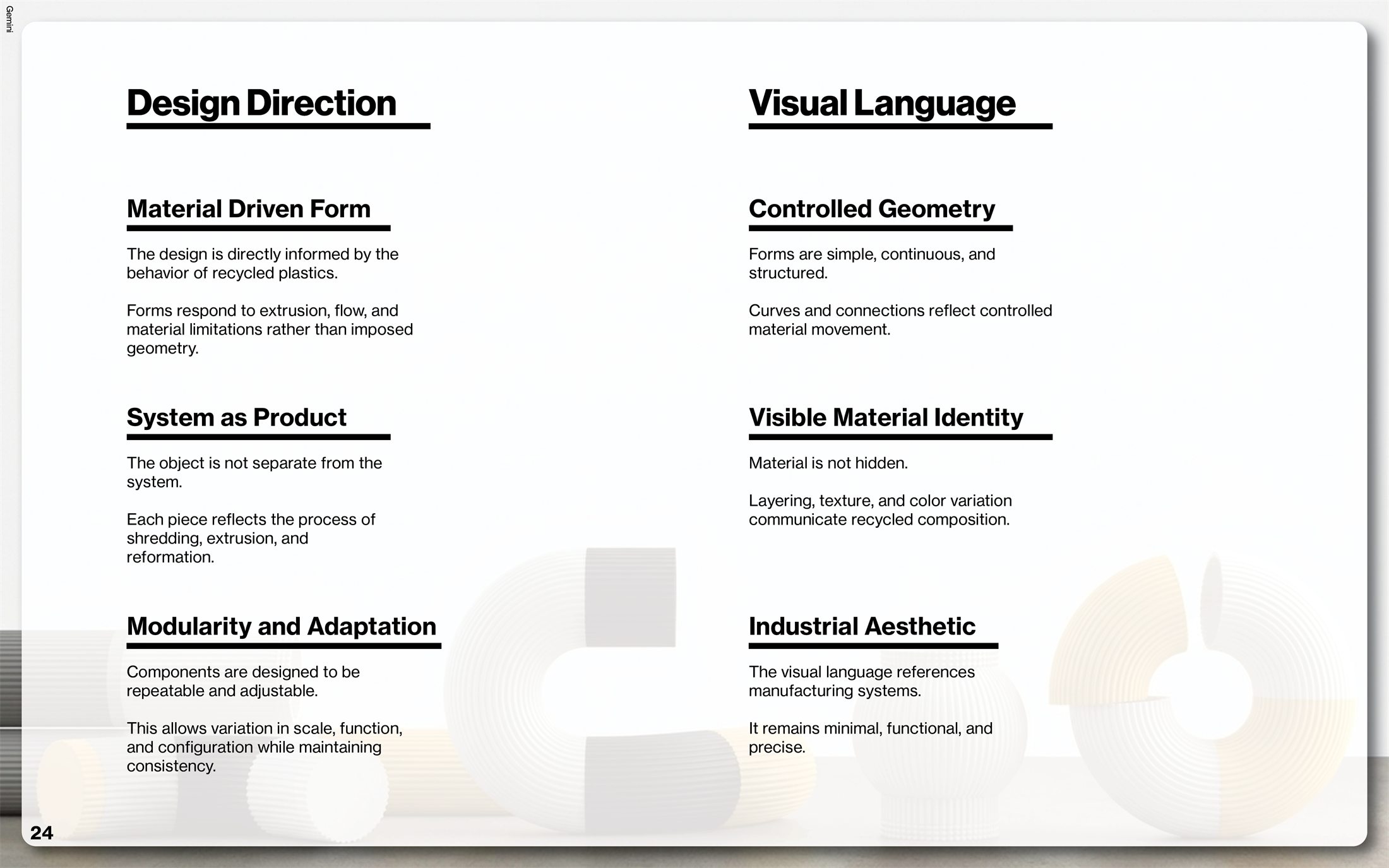
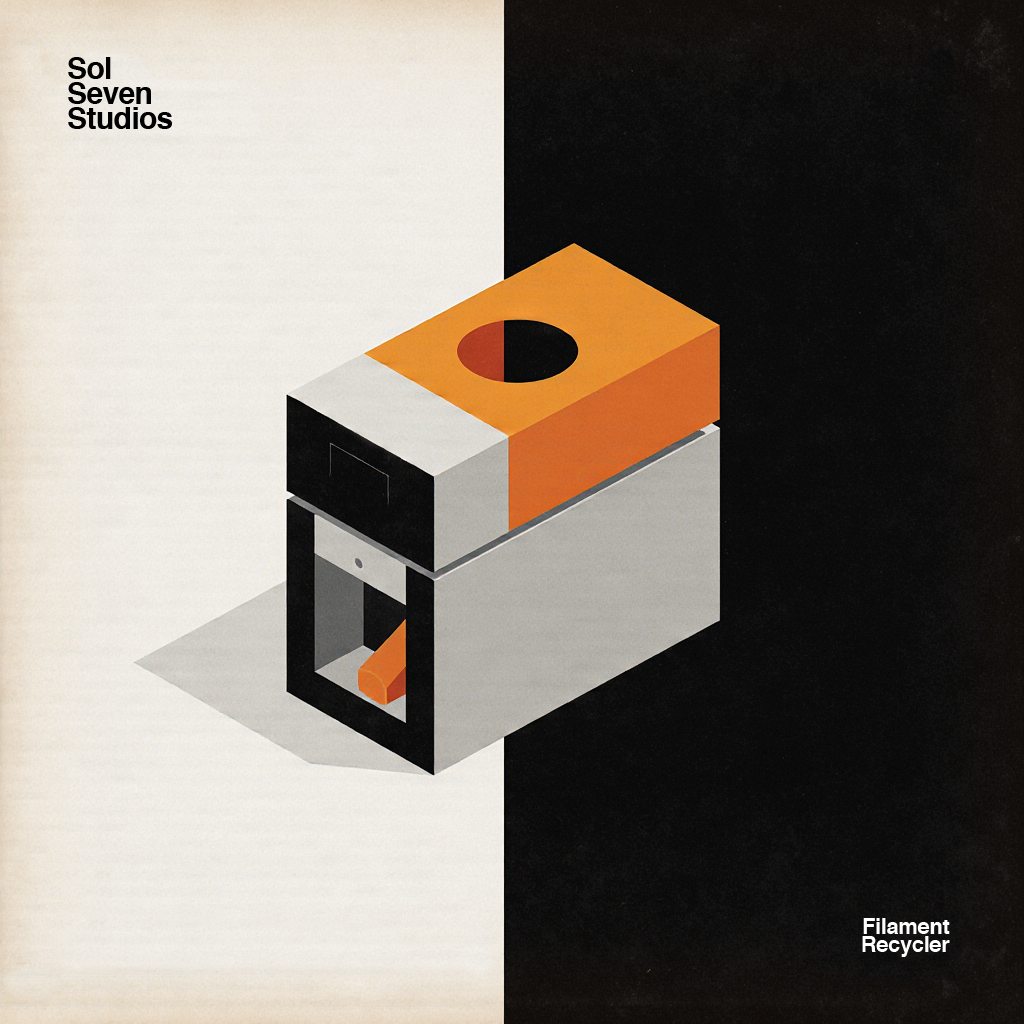
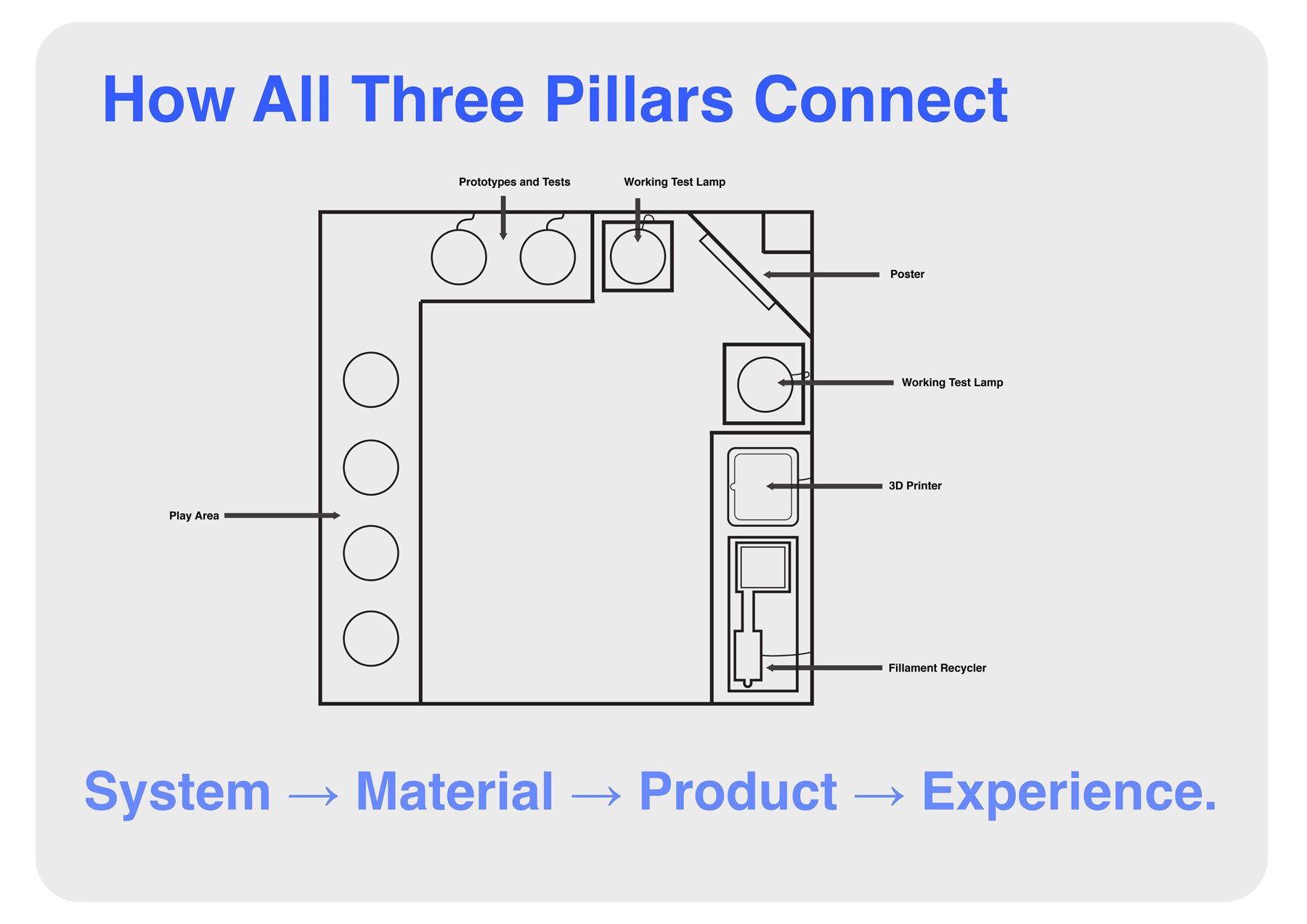
Prioritize the material loop.
The system needed to show how waste becomes stock, not simply claim that a product is recycled.
Make machines legible.
Shredding, heating, winding, and control had to feel visible enough for viewers to understand the transformation.
Let the product carry the proof.
Sol Seven Studios became the consumer-facing output, while PlastiVista stayed focused on the infrastructure behind the material.
04
Hardware build
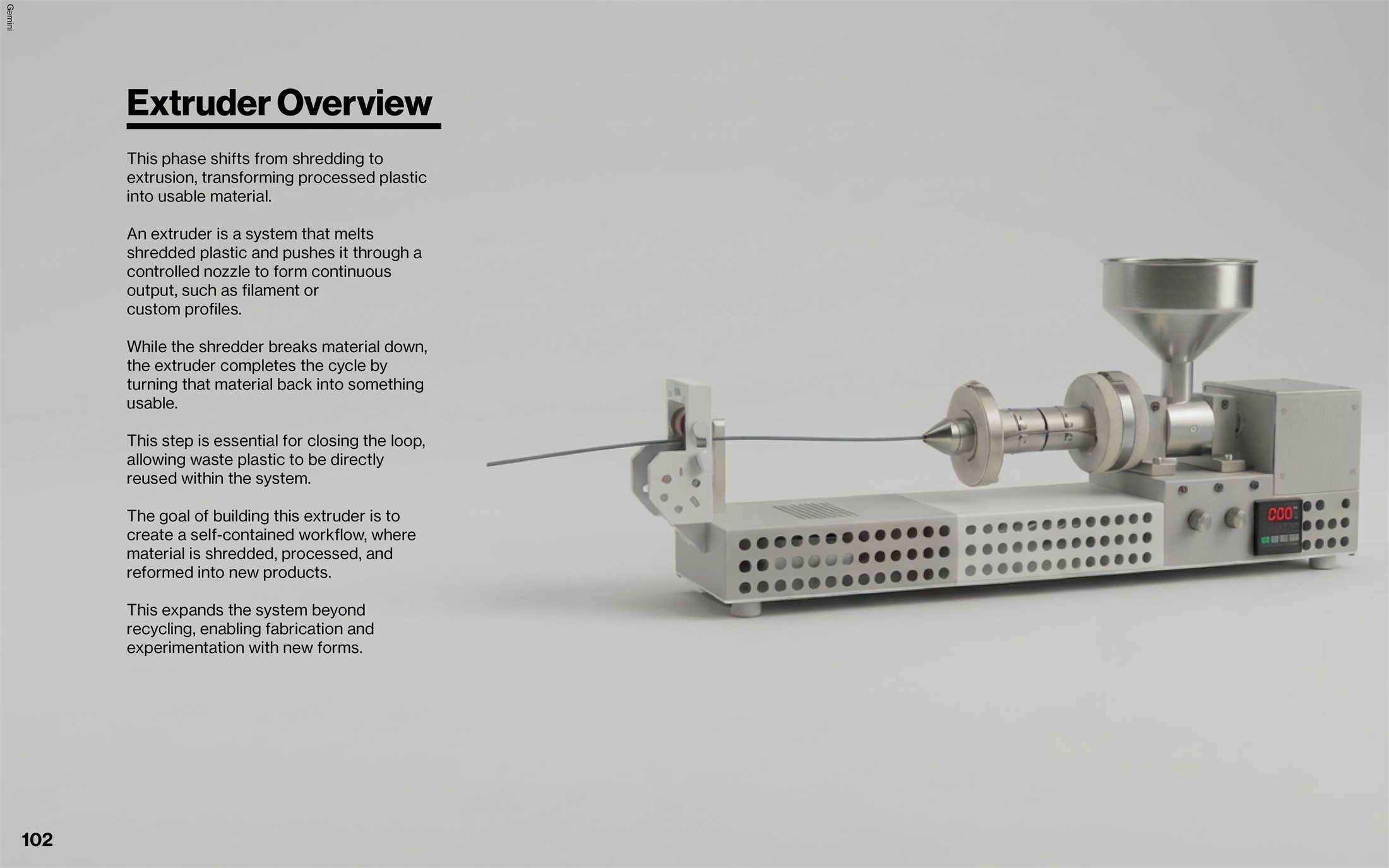
Building the material pipeline from shredder to filament.
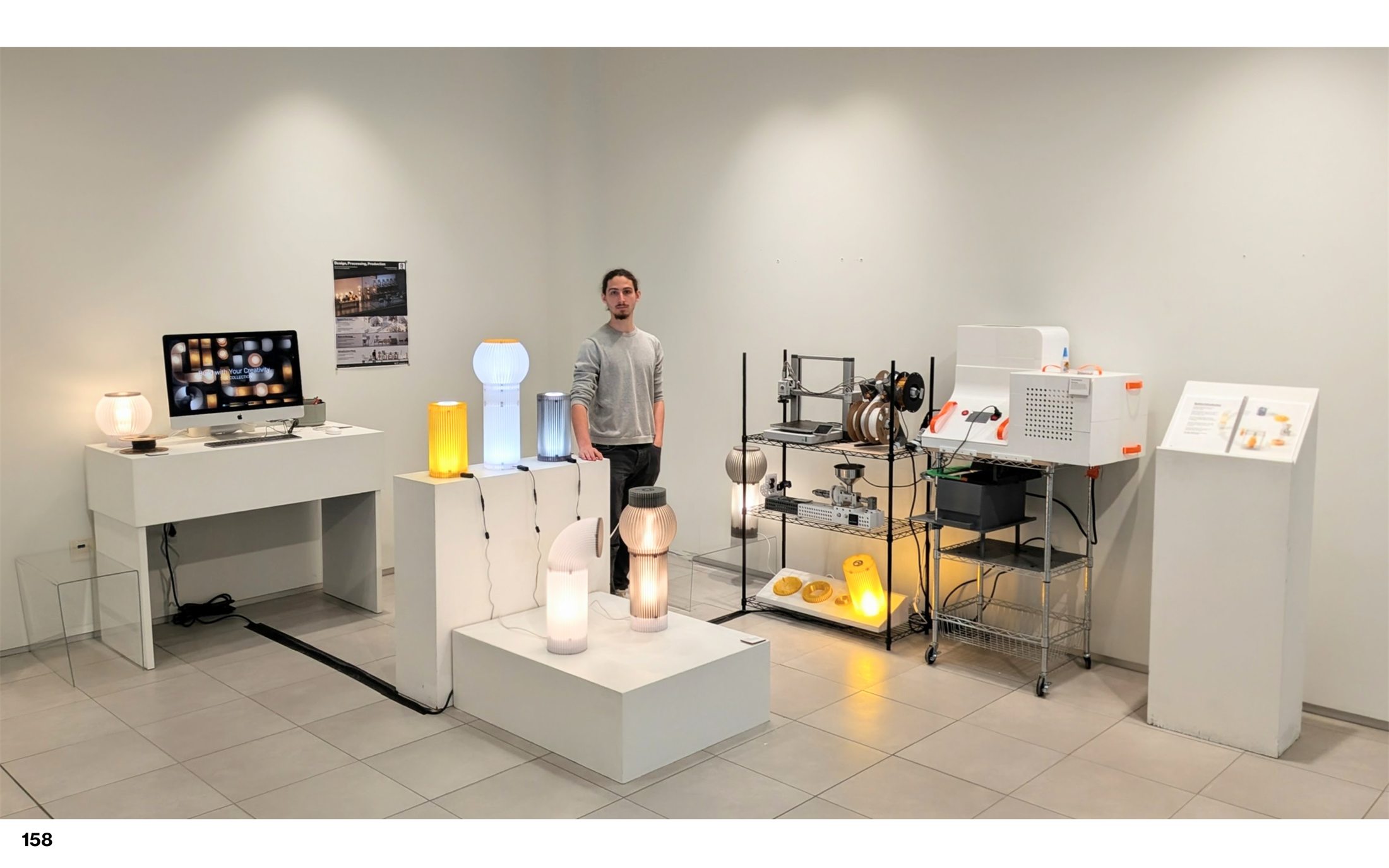
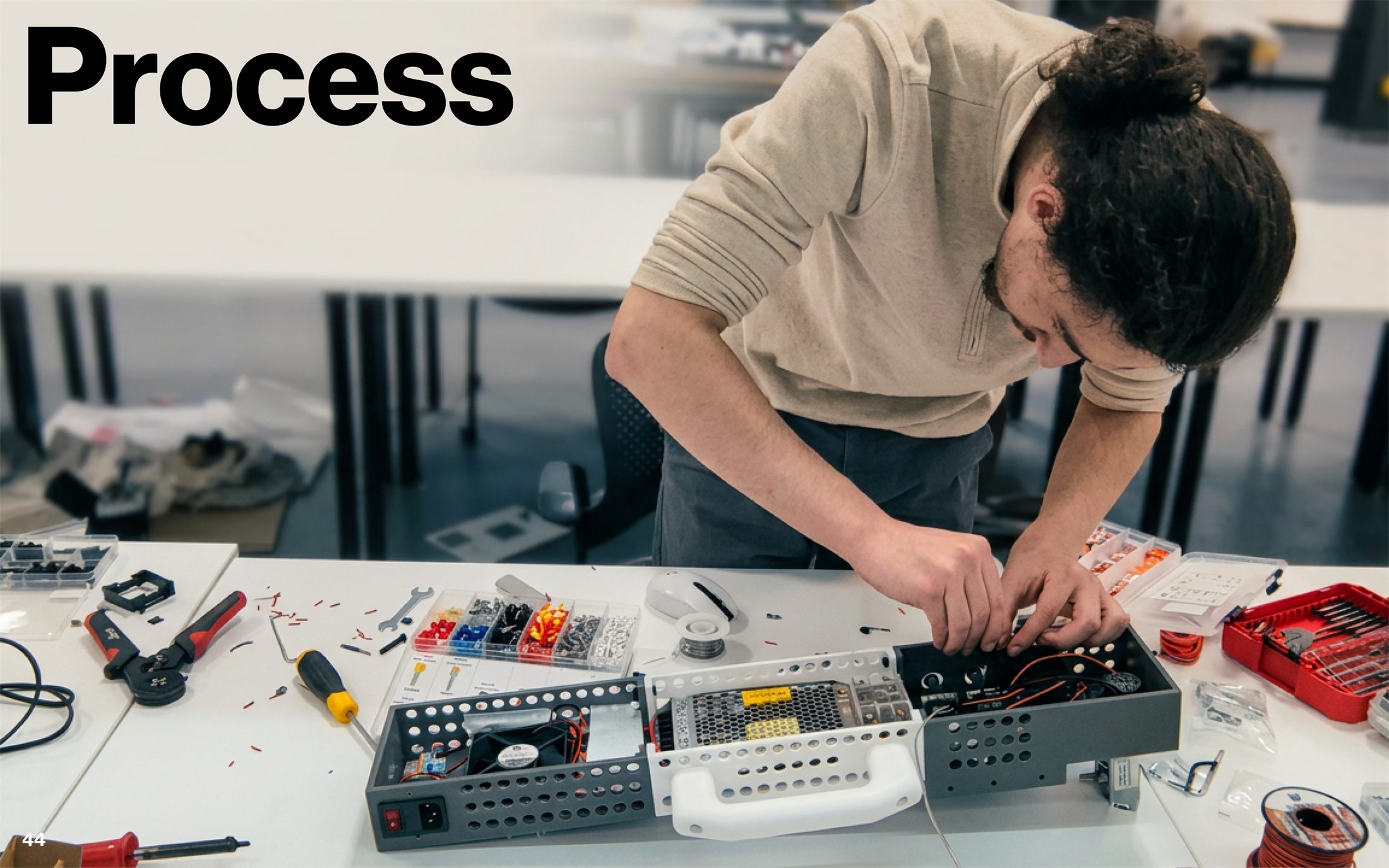
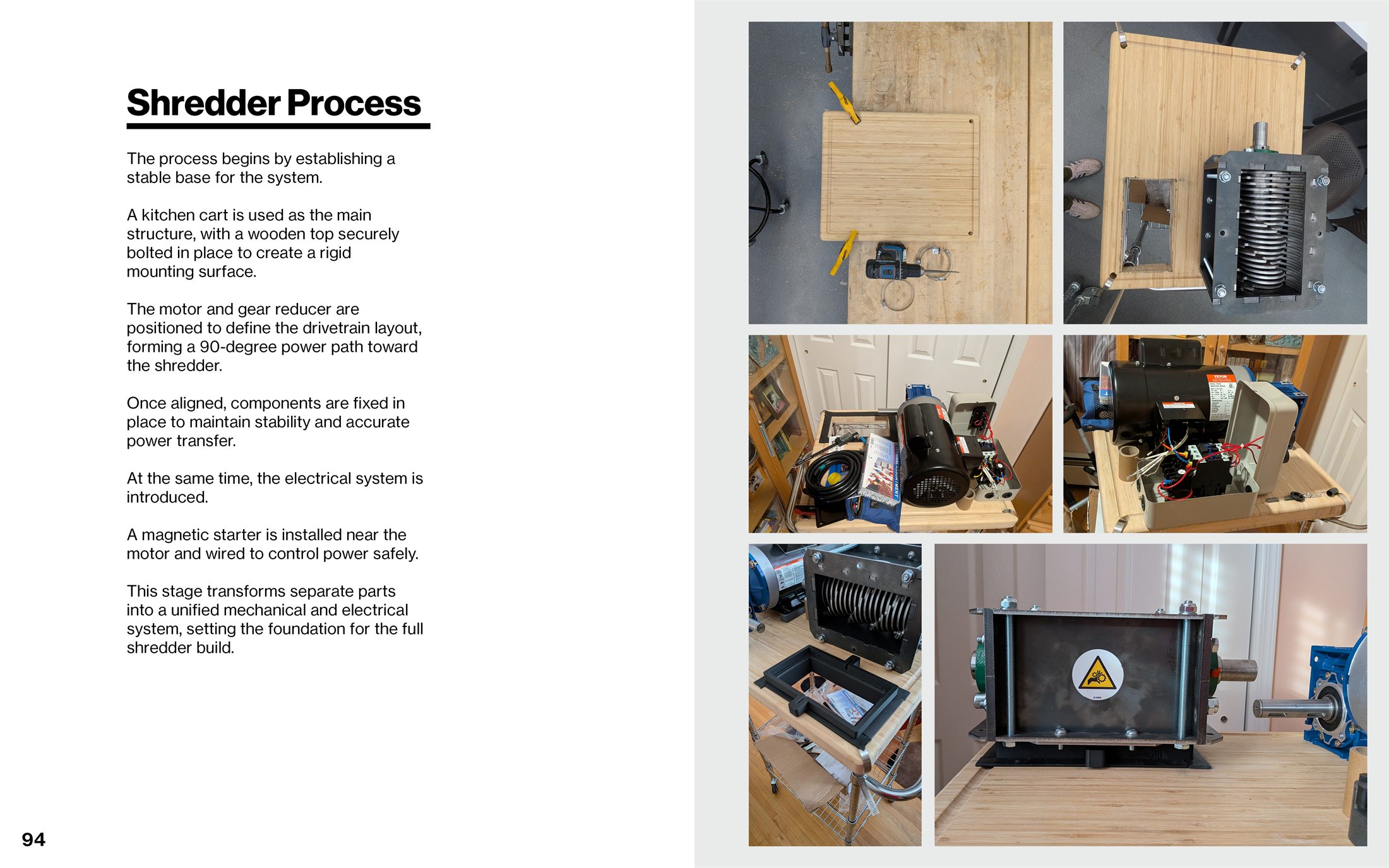
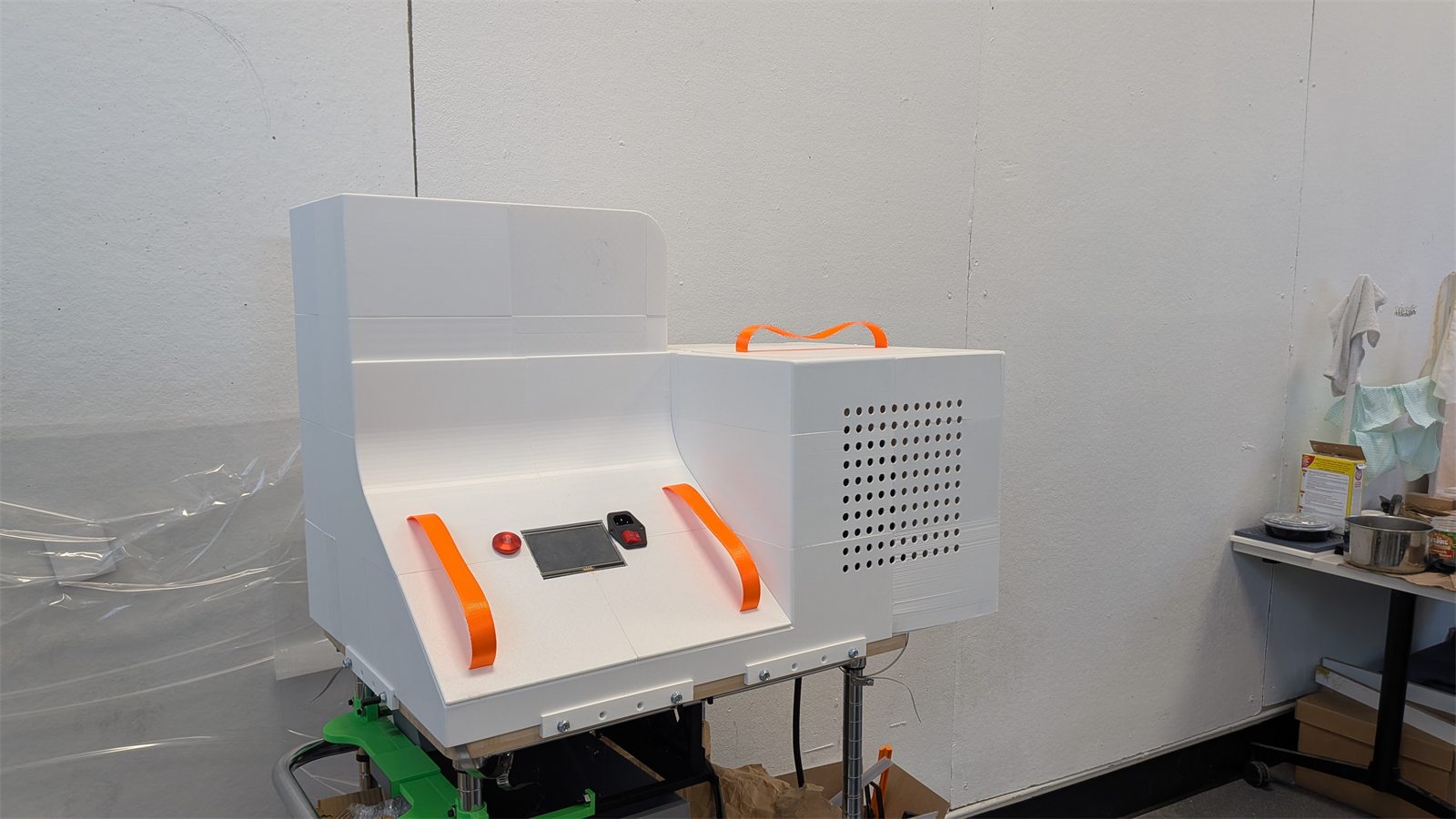
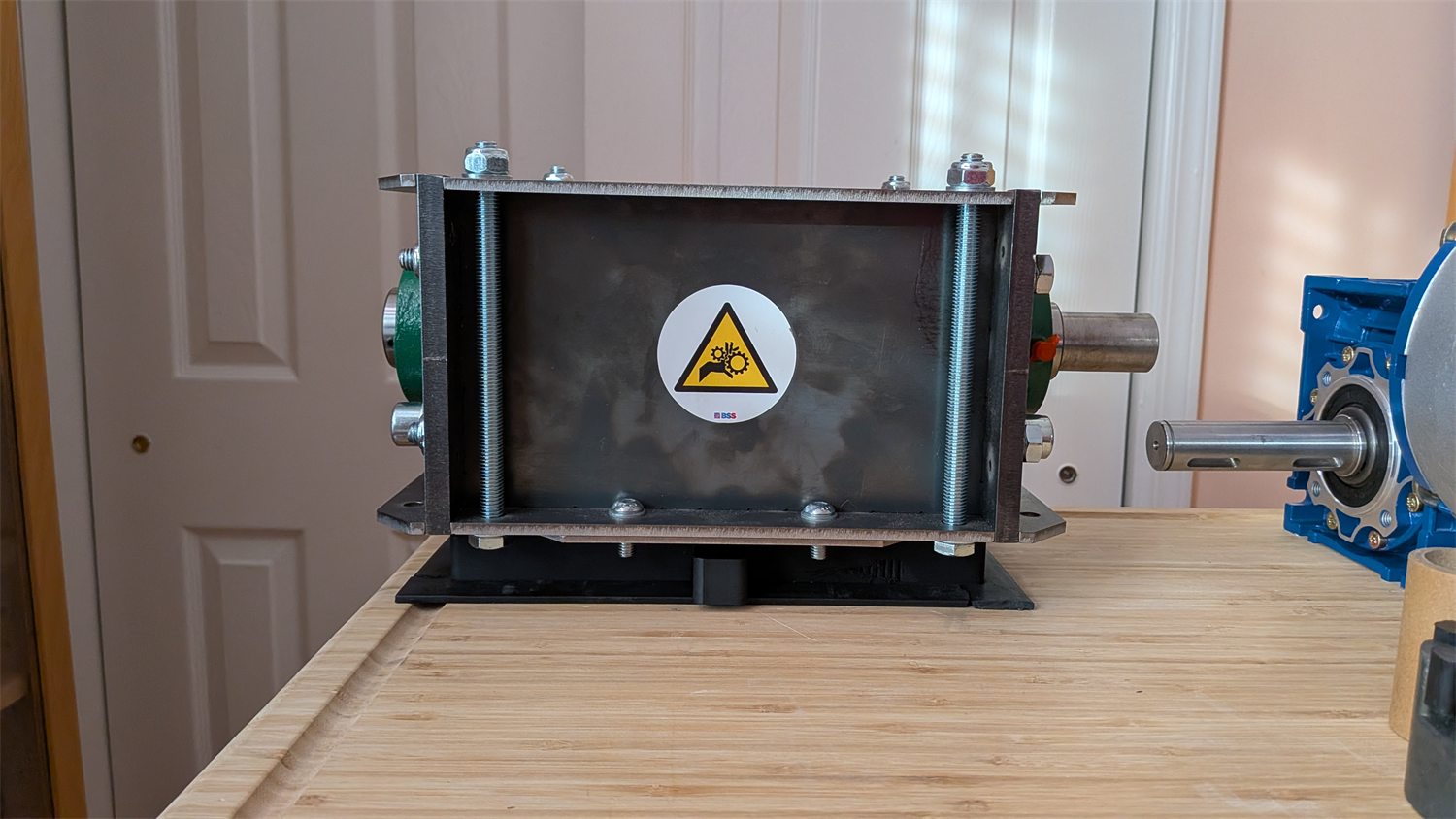
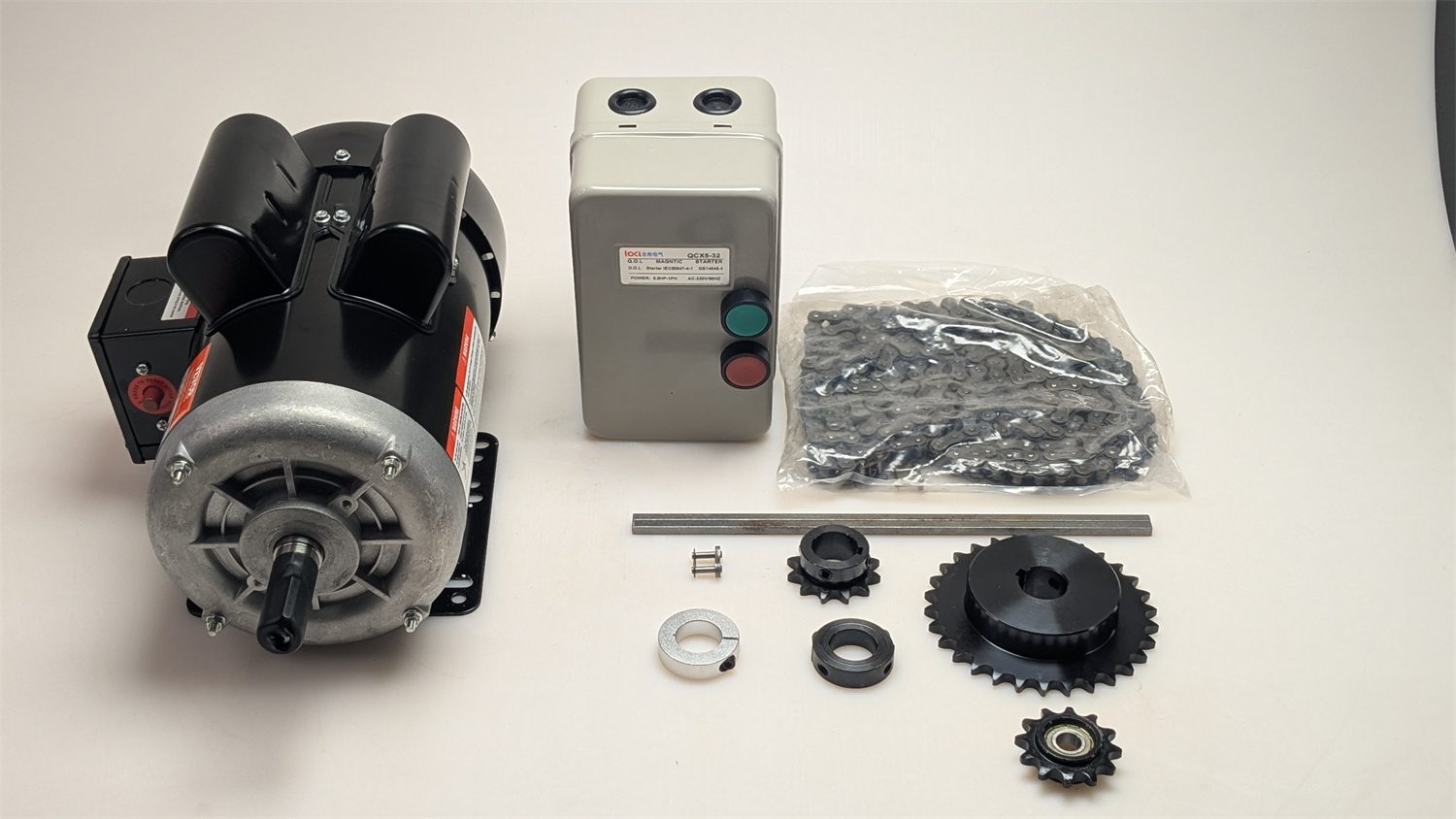
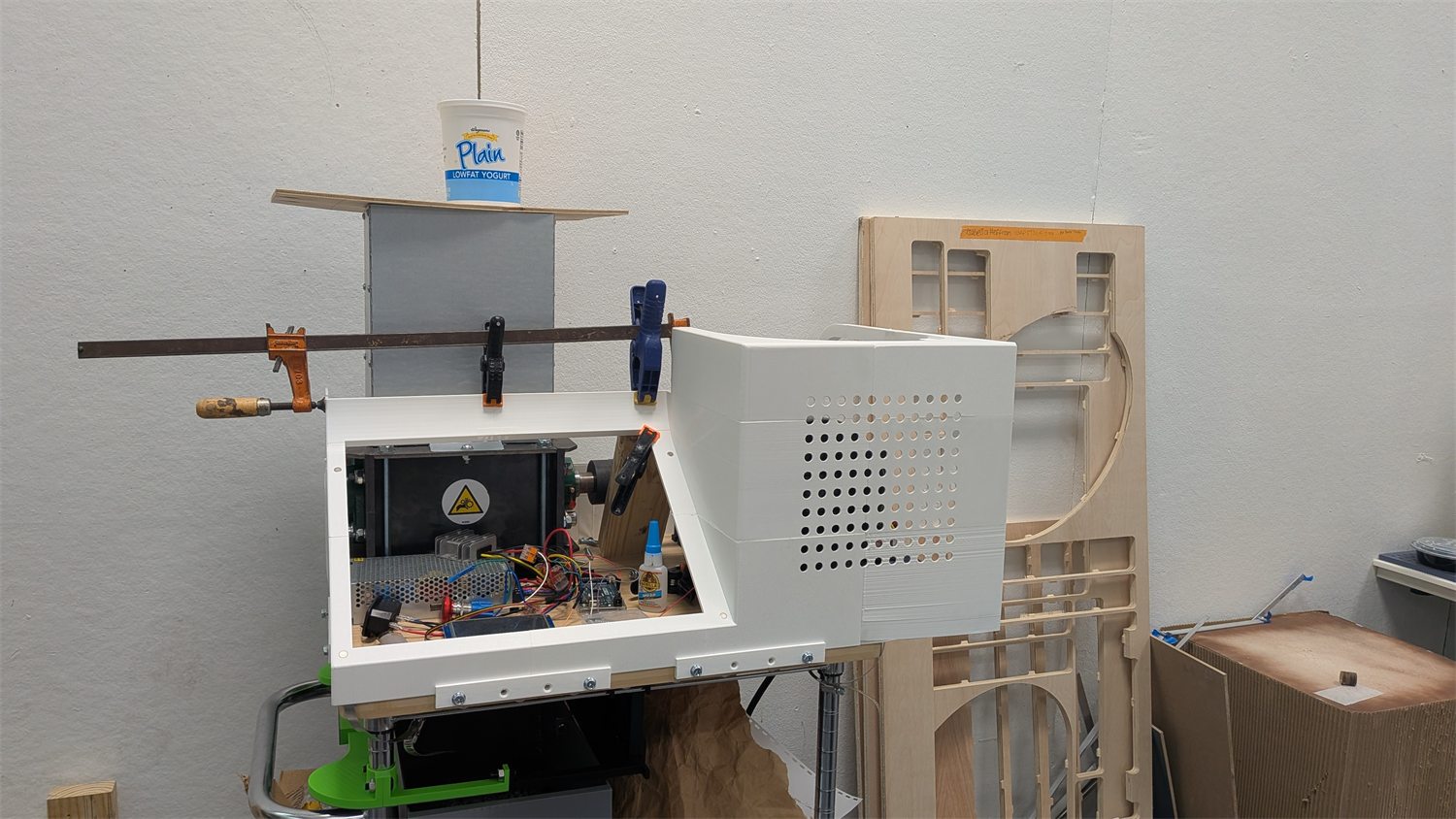
PlastiVista was developed through physical fabrication: metal hardware, 3D printed parts, machine enclosures, extrusion tests, wiring, and shop-floor iteration. The project lives between industrial design language and real fabrication constraints.
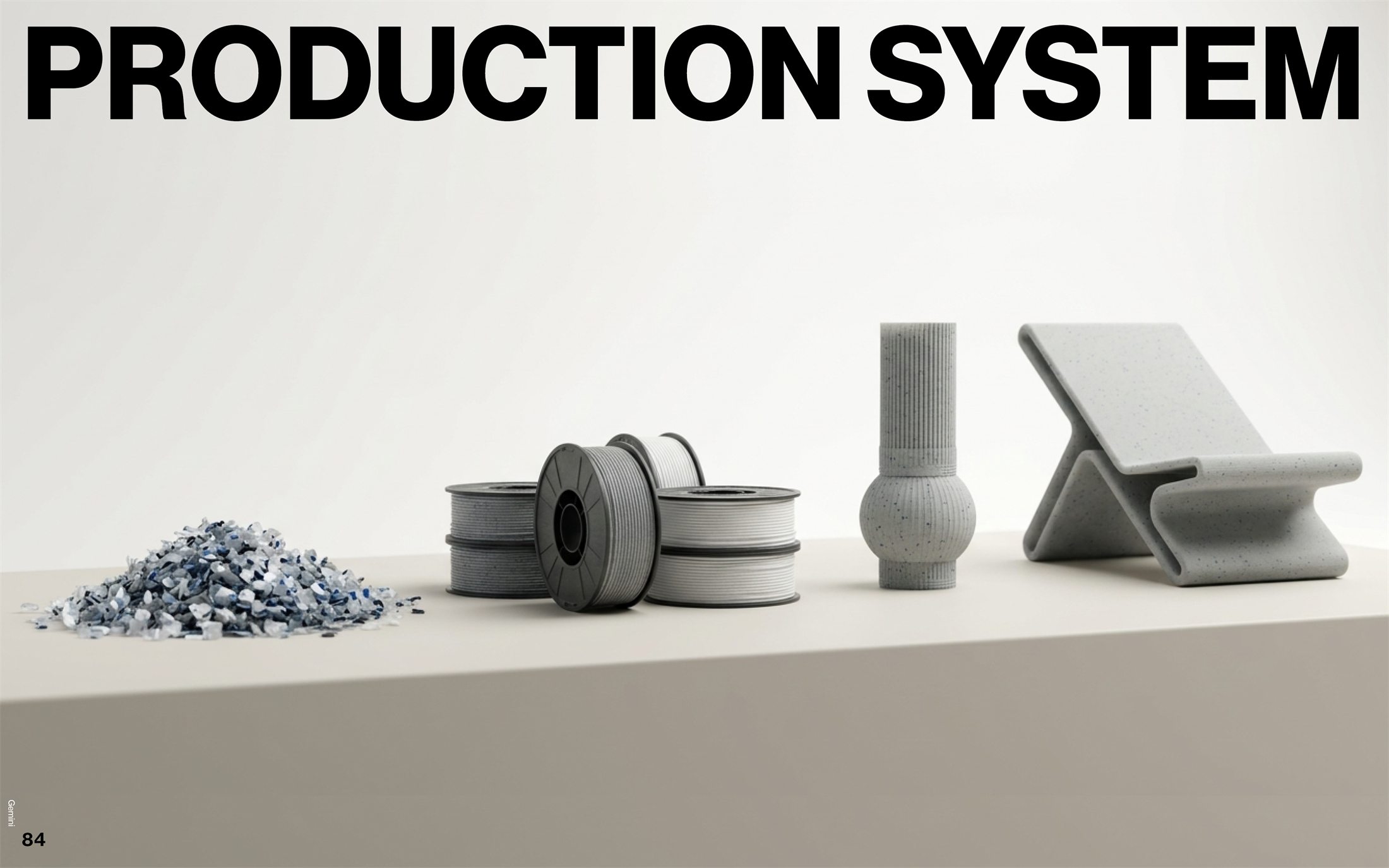
Interactive shredder model
The shredder is the first mechanical decision in the loop.
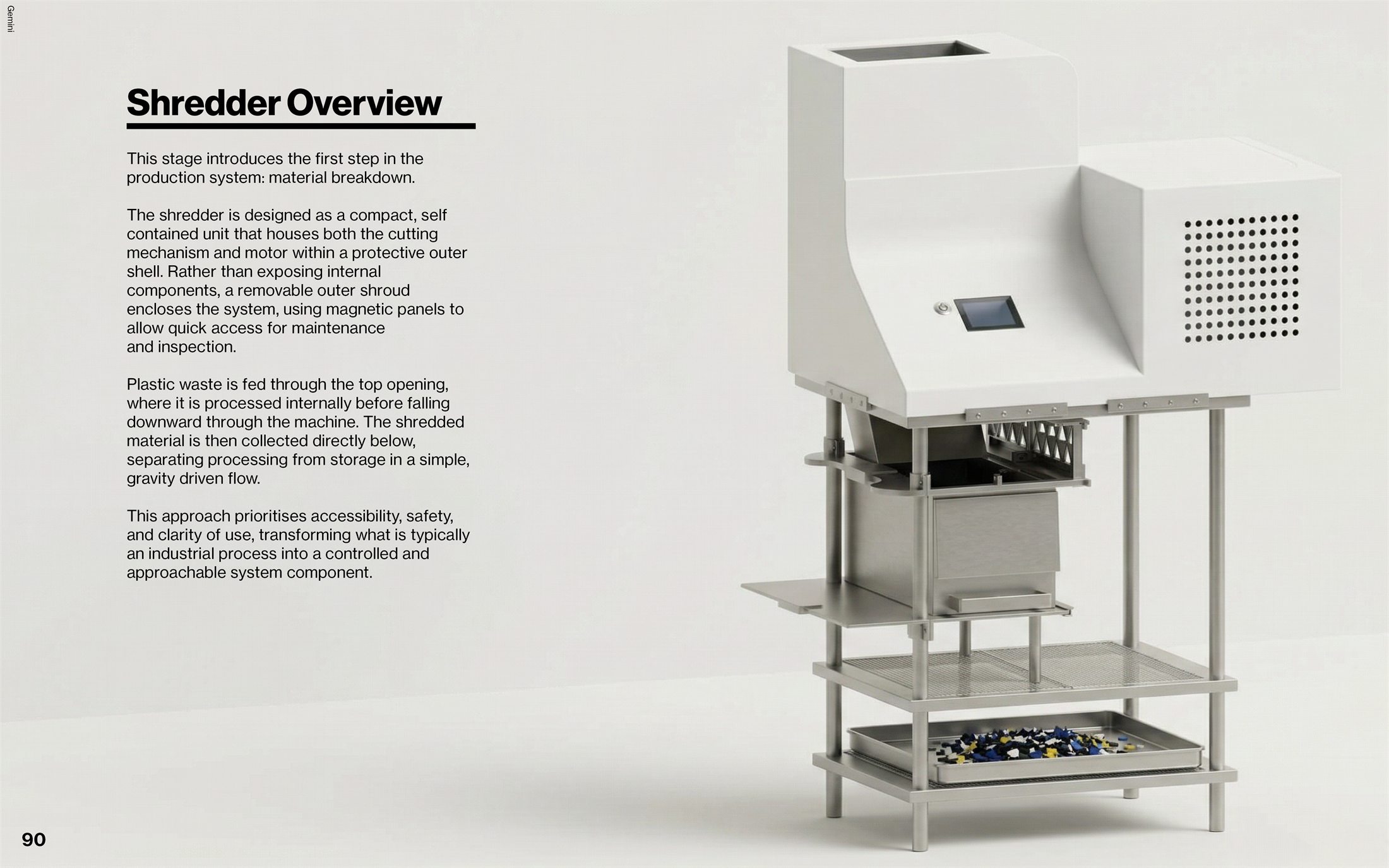
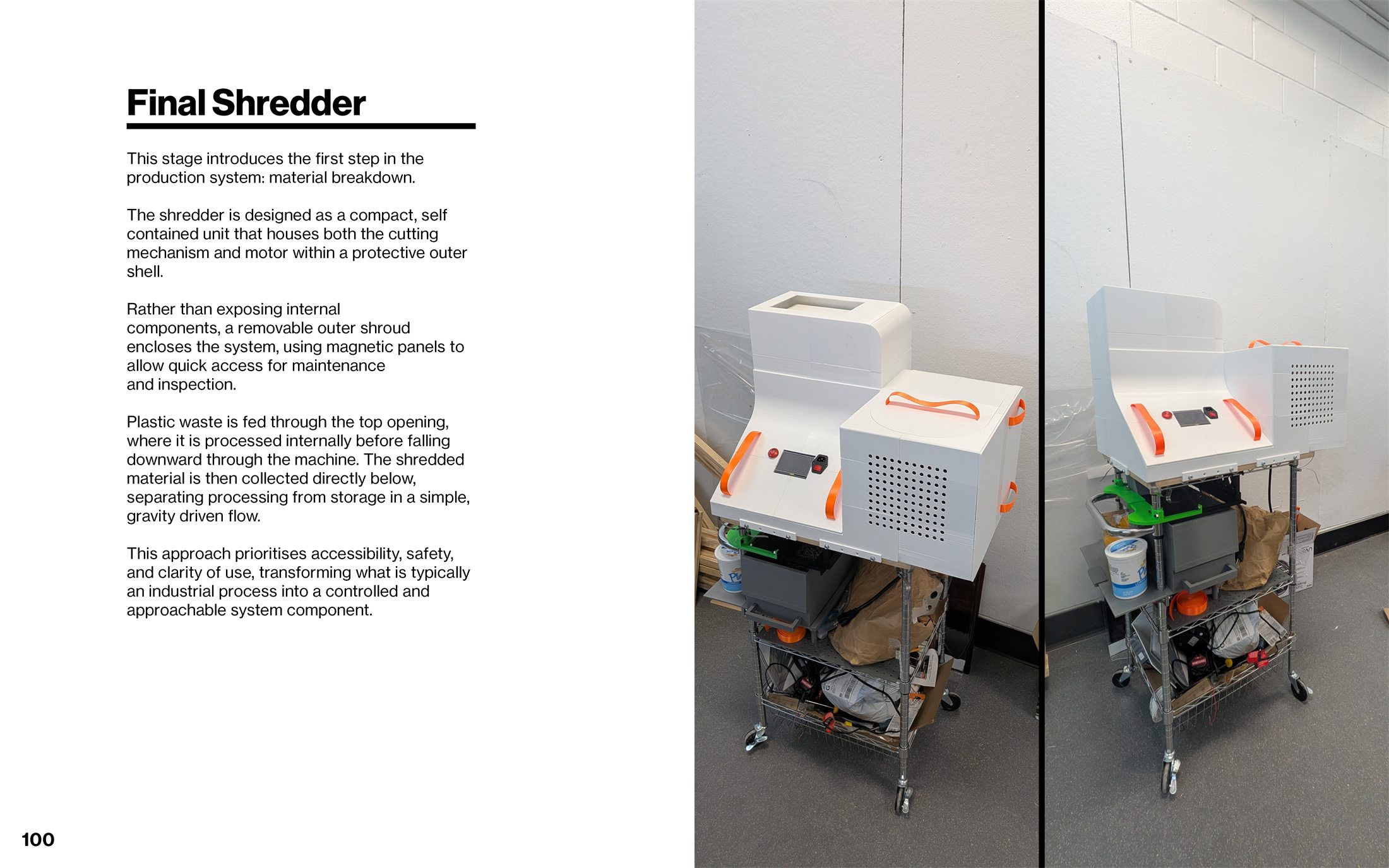
Before plastic can become filament, it has to become predictable feedstock. The shredder reduces failed prints and scraps into flakes that can be handled, sorted, stored, and sent into extrusion.
Orbit the model to inspect the material-processing package: housing, motor placement, enclosure language, and access points that support the larger pipeline.
Loading 3D shredder model
05
Temperature logic
Power and safety
Interface layer
Electronics and control
The engineering layer makes the loop repeatable.
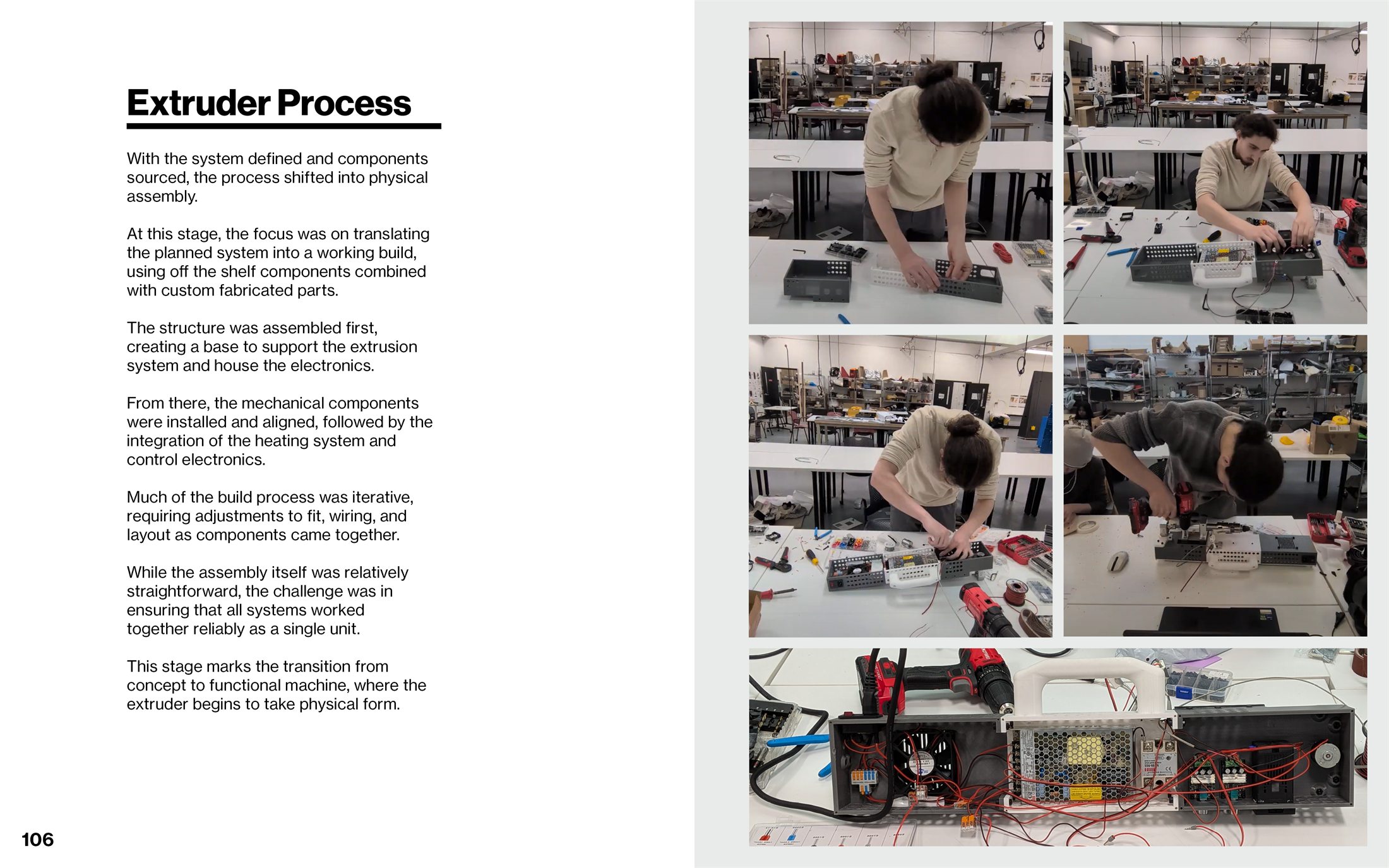
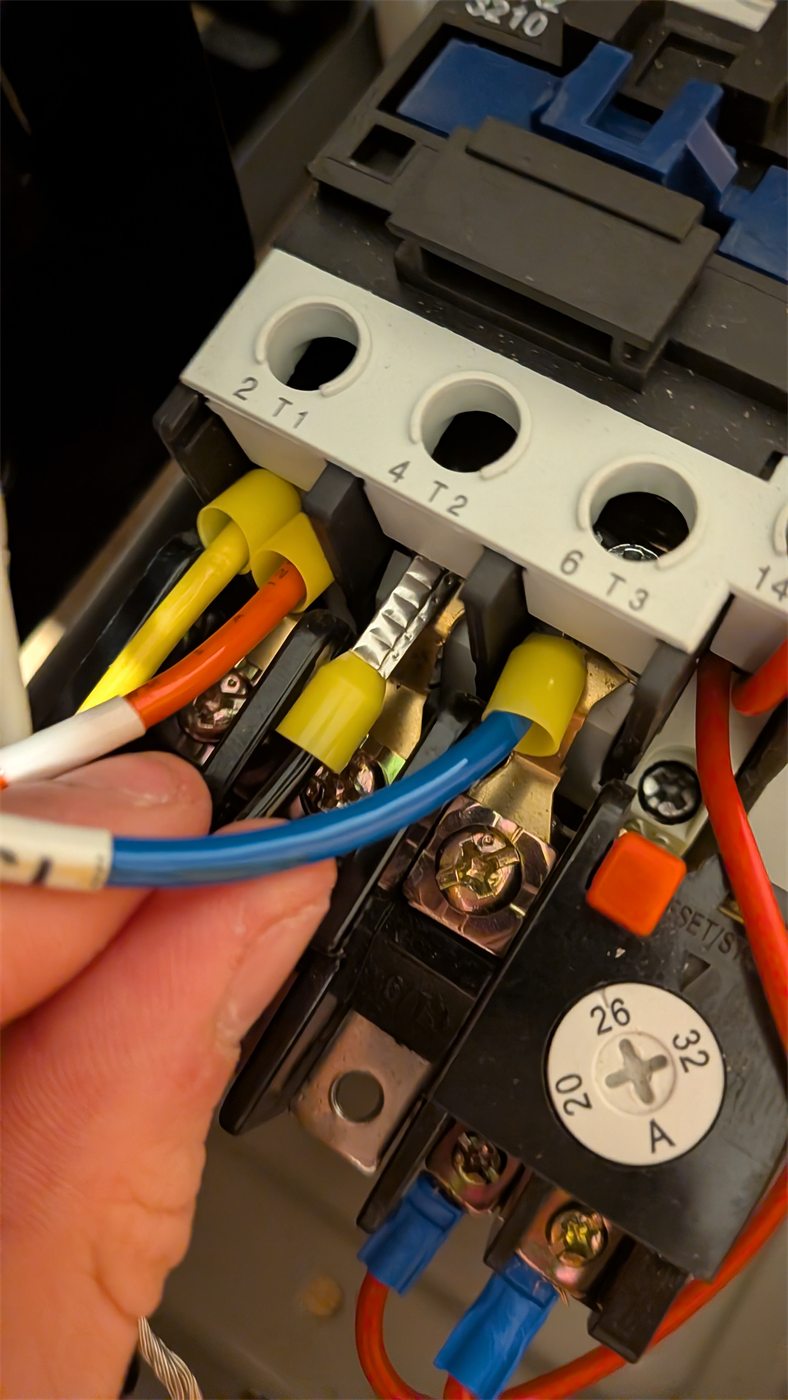
The system depends on control more than appearance. Motors, relays, power delivery, heat control, switches, and interface decisions determine whether material can be processed consistently enough to become product-grade stock.
This layer turns PlastiVista from a concept image into working infrastructure: a machine that can be started, tuned, observed, repaired, and improved.
Heat and extrusion behavior are treated as a controlled material process.
Relays, switches, fans, and power routing shape the system's reliability.
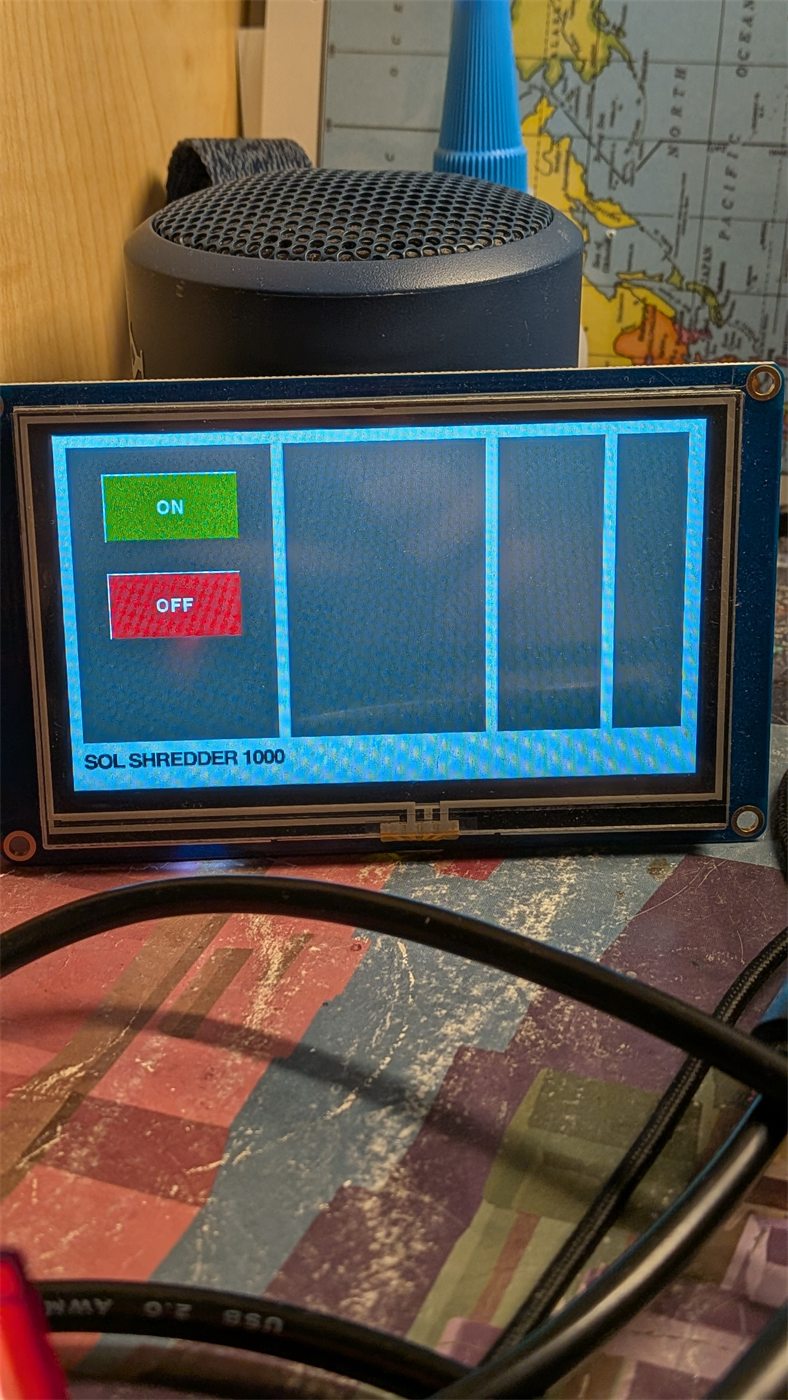
A touchscreen and physical controls make the machine legible during use.
06
Material testing
Experiments, failed prints, and usable material.
The material story is intentionally process-driven. PlastiVista treats each failed print, shred size, extrusion attempt, and print test as feedback for the next pass through the loop.
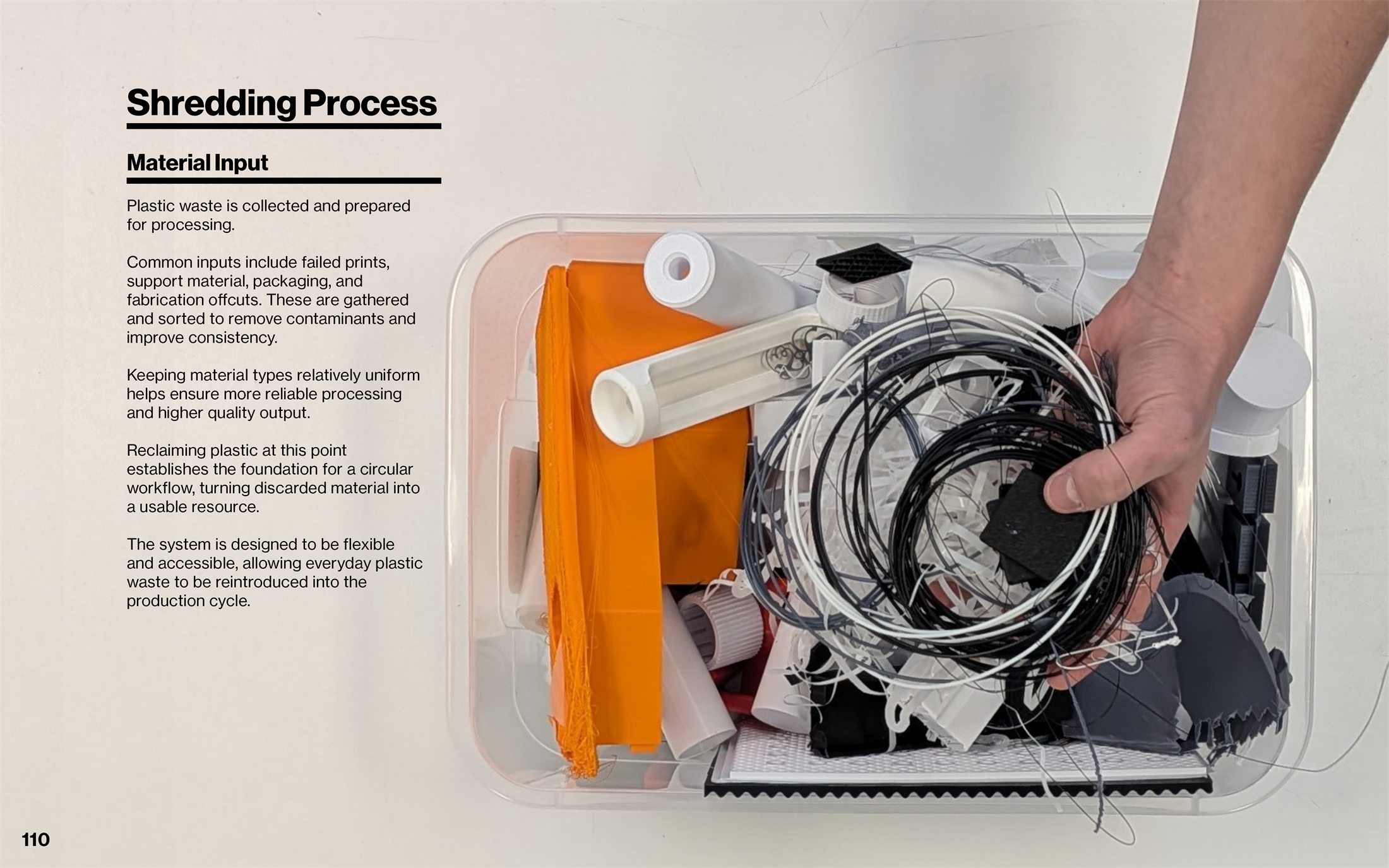
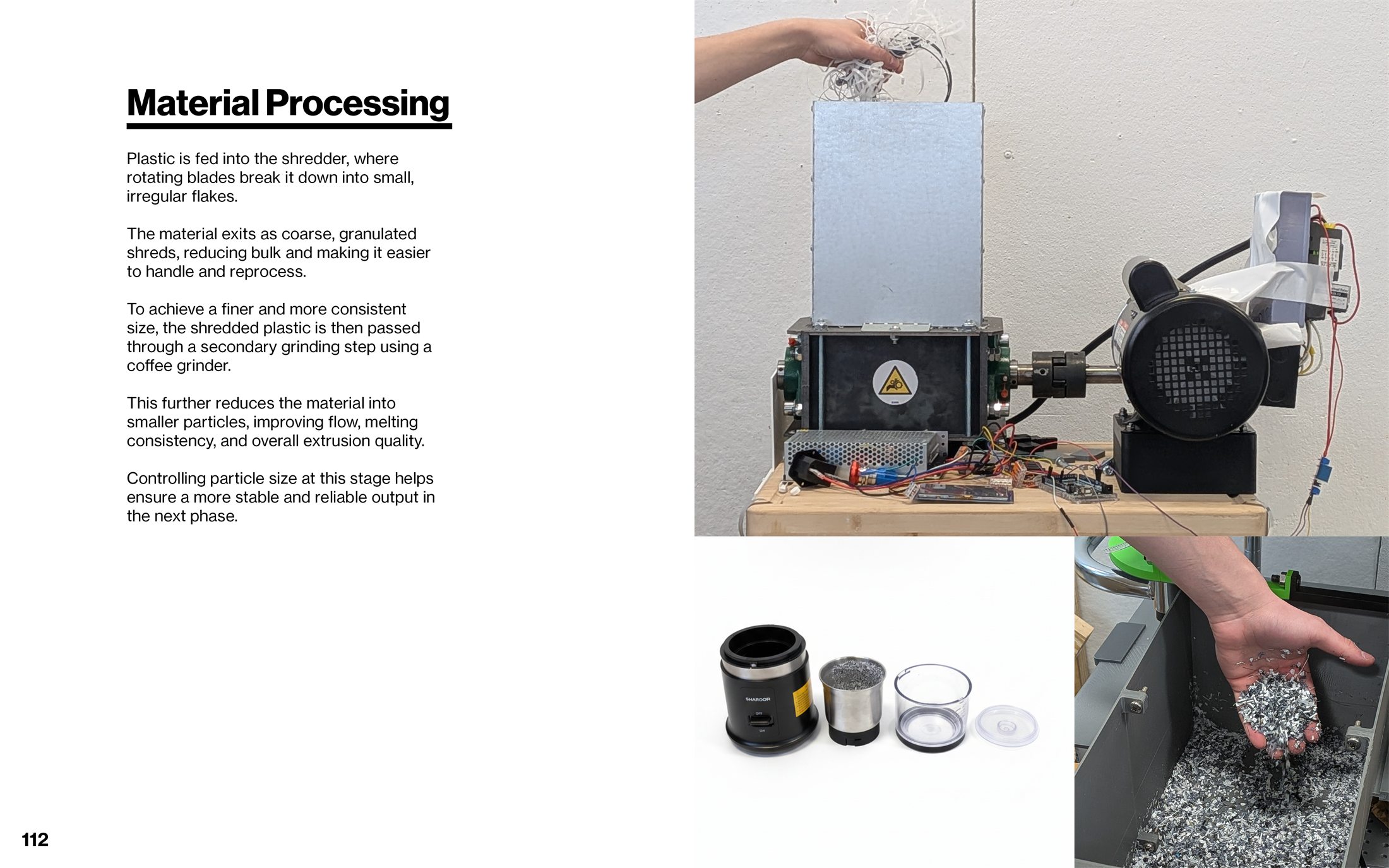
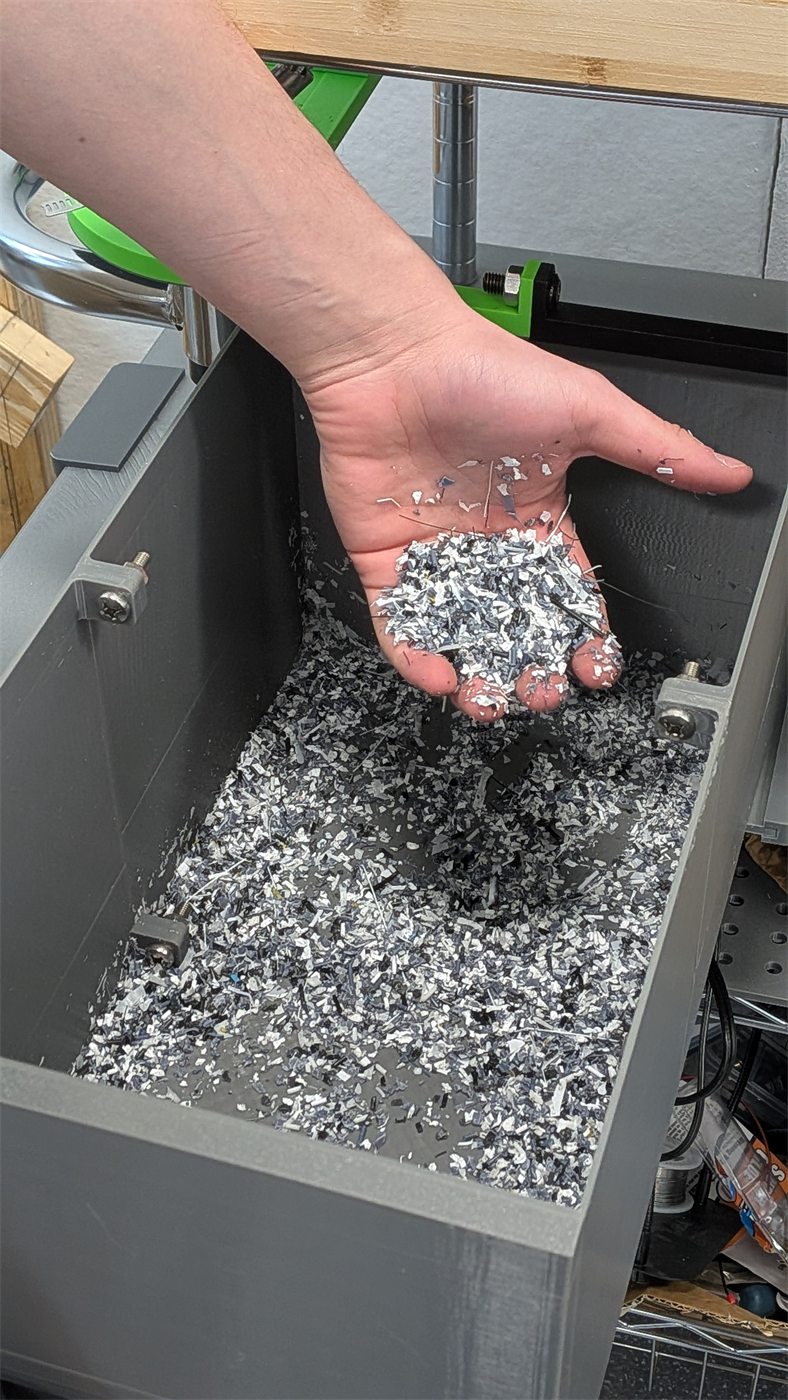
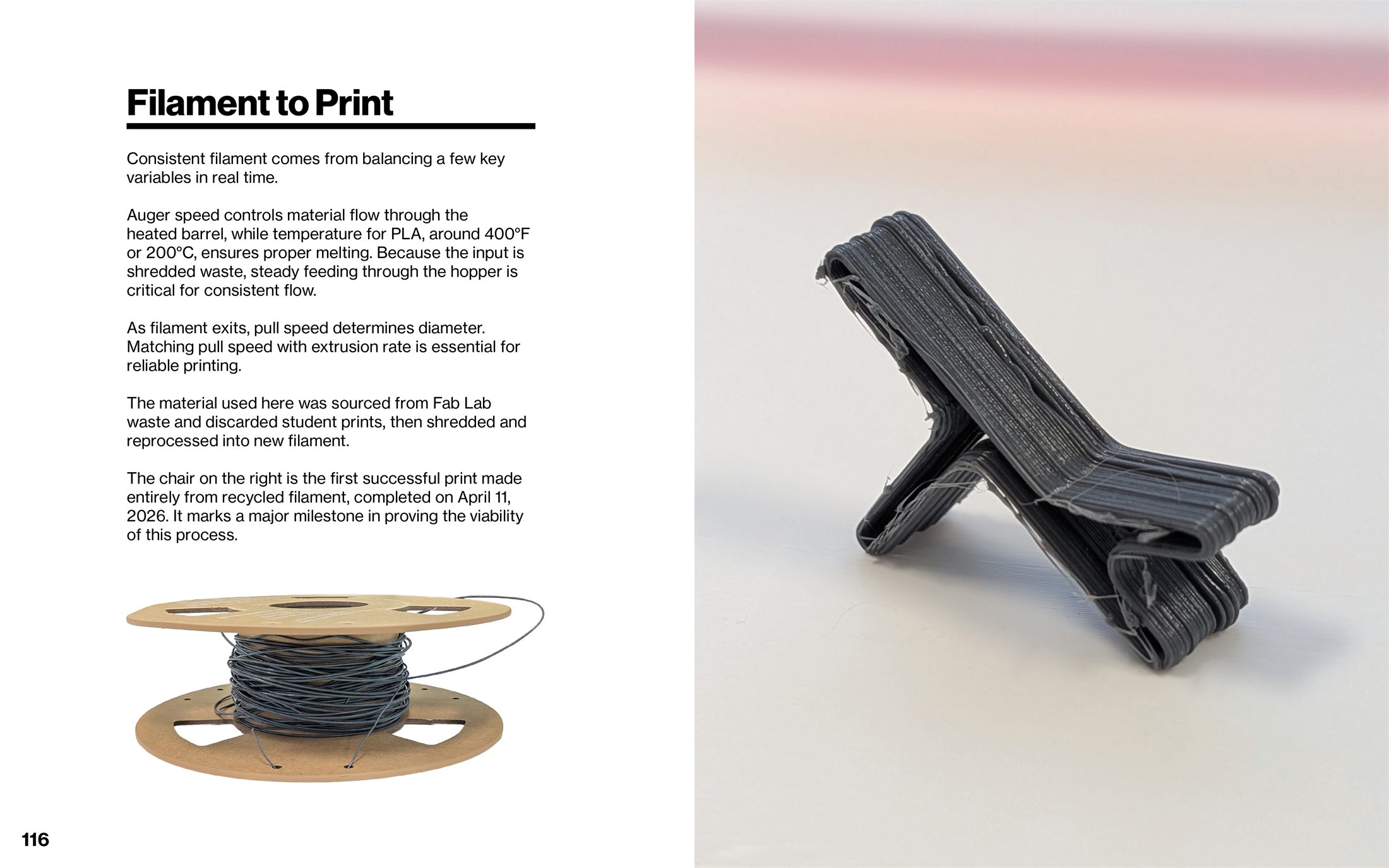
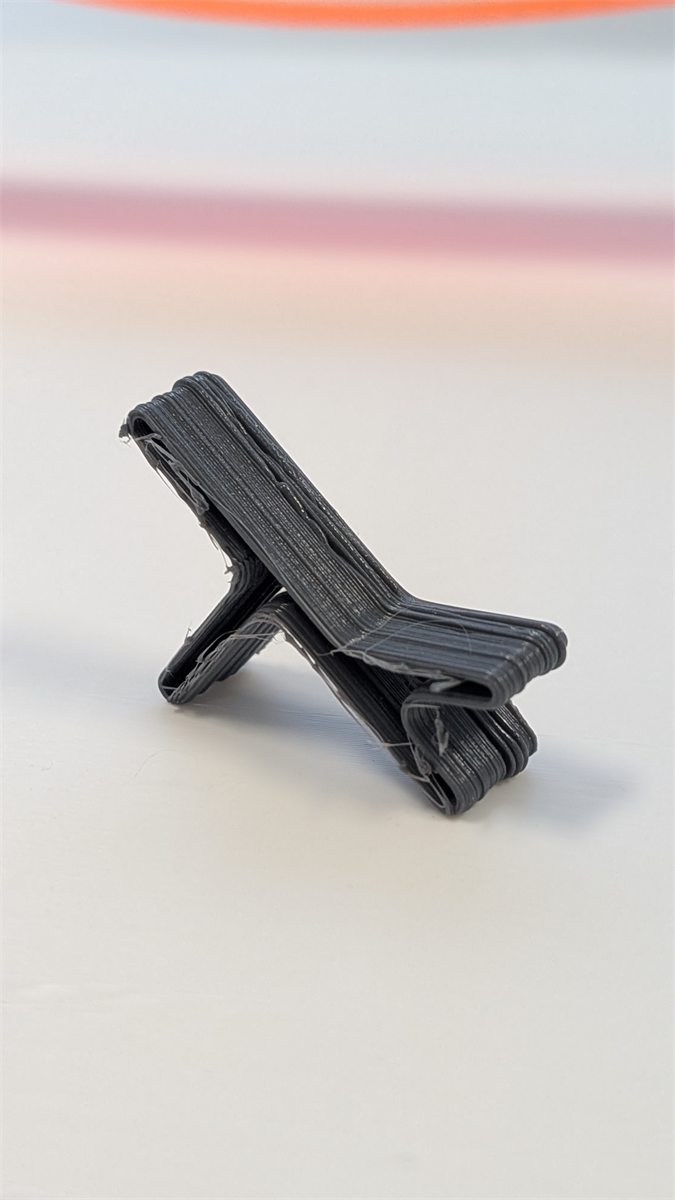
PlastiVista powers the material loop behind Sol Seven Studios.
07
Product output
Sol is the product-facing expression. PlastiVista is the infrastructure.
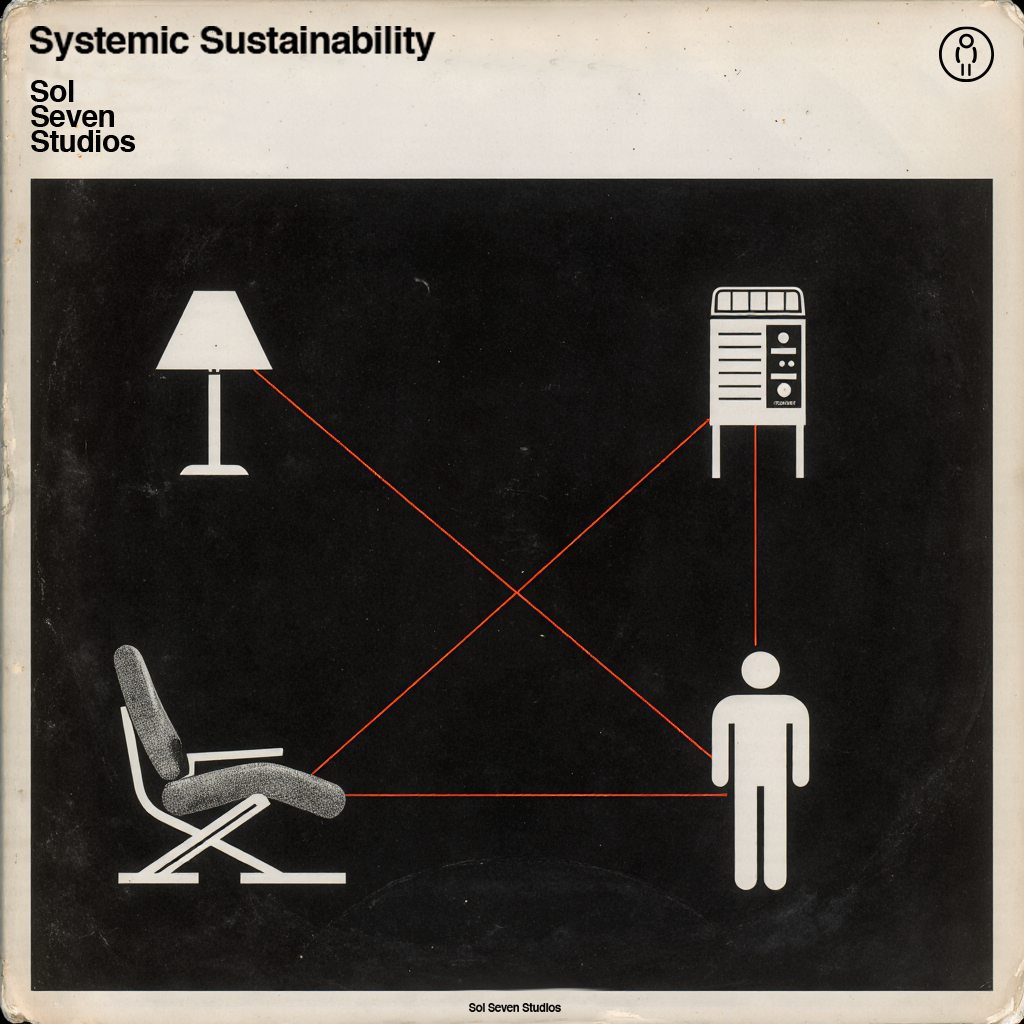
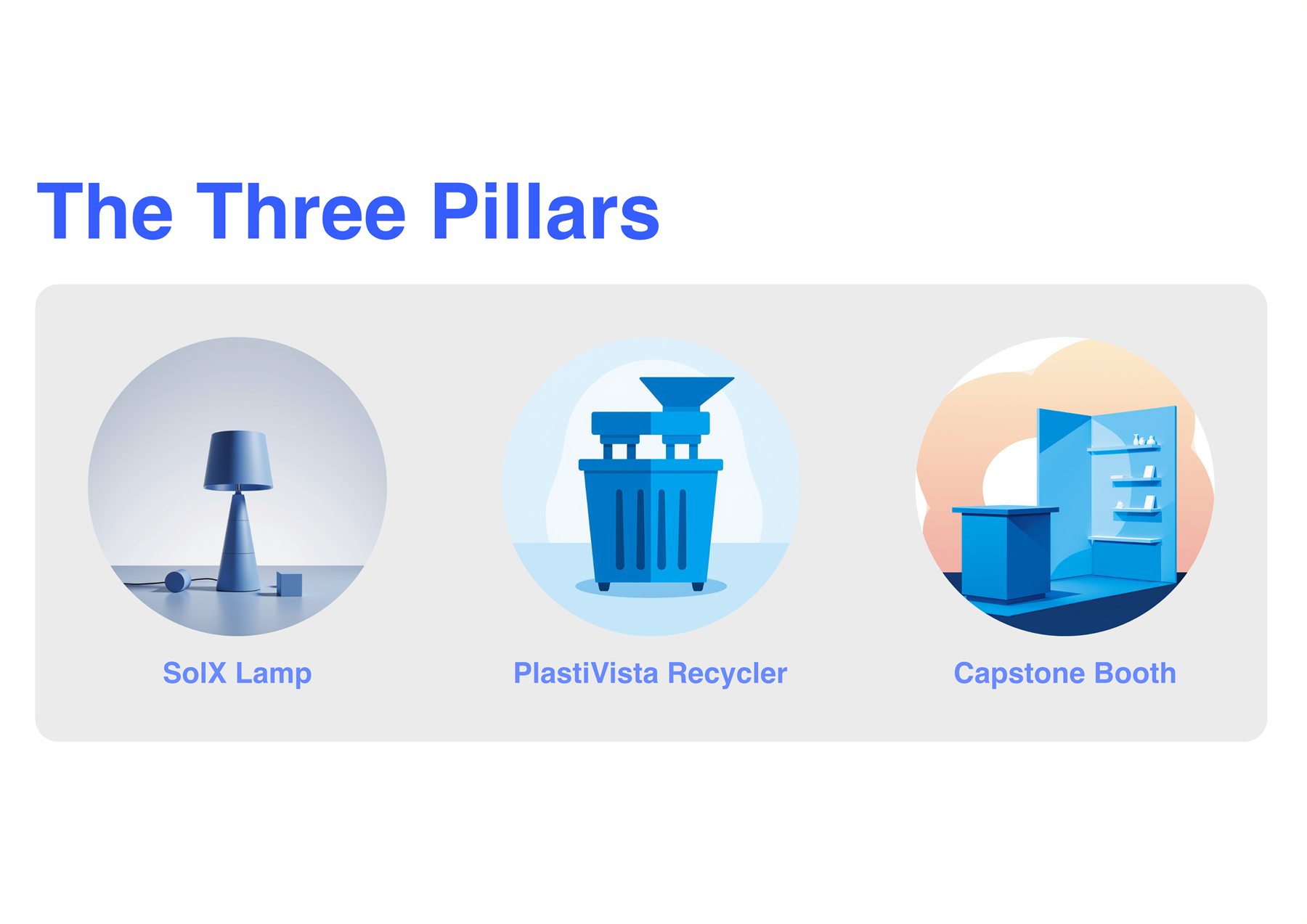
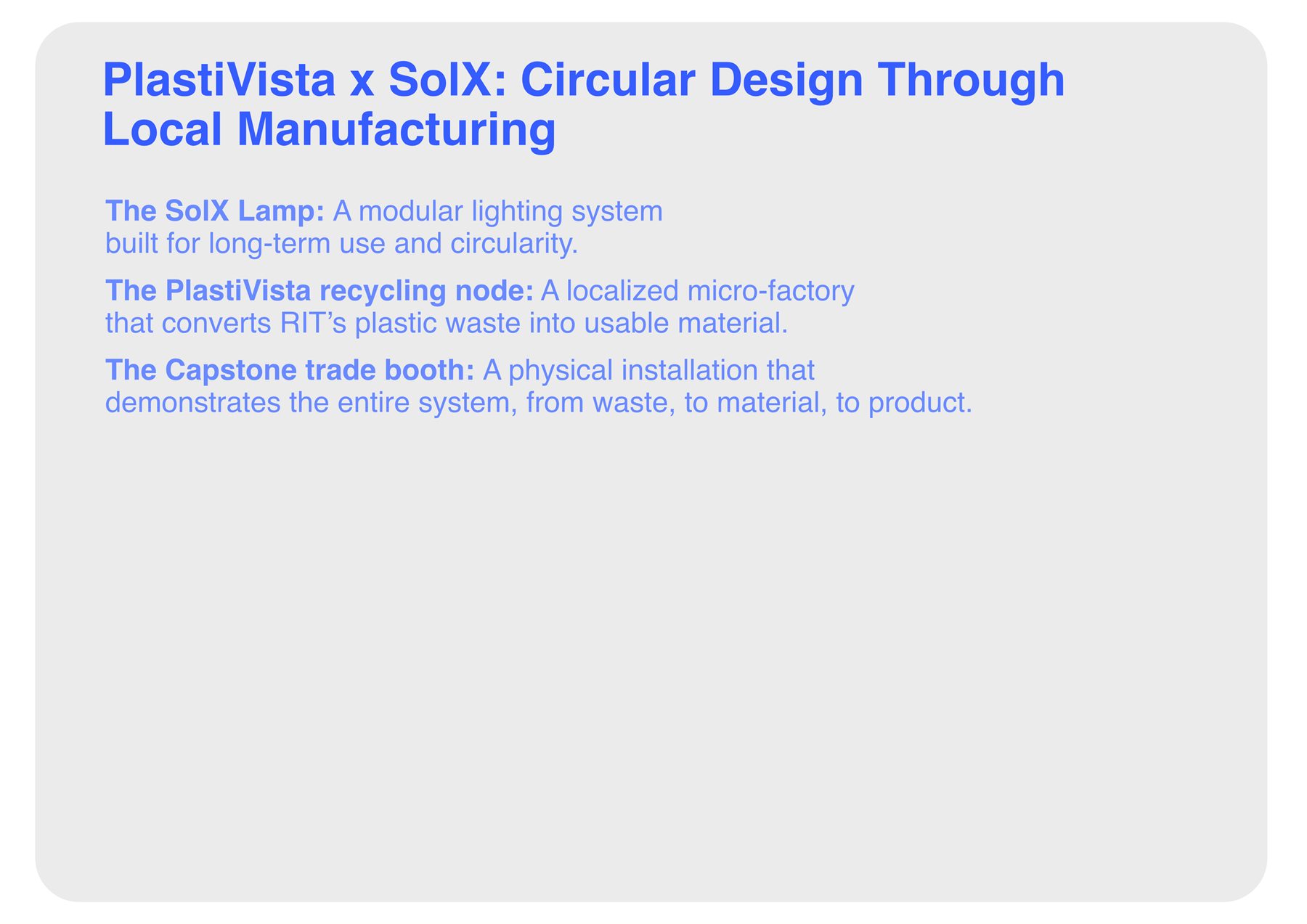
Sol Seven Studios focuses on lamps, modularity, product language, and human factors. PlastiVista sits underneath that work as the circular manufacturing system that makes the material story operational.
Together, they form a complete portfolio narrative: not only what the product looks like, but how it can be made, remade, repaired, and returned to a loop.
08
Digital Ecosystem + Market Testing
Live prototypes connected the system to customers and adoption.
PlastiVista extends beyond hardware and material testing into a broader product ecosystem. I built live digital prototypes to explore configuration, customer education, market interest, and how a circular manufacturing program could move from studio proof-of-concept toward public adoption.
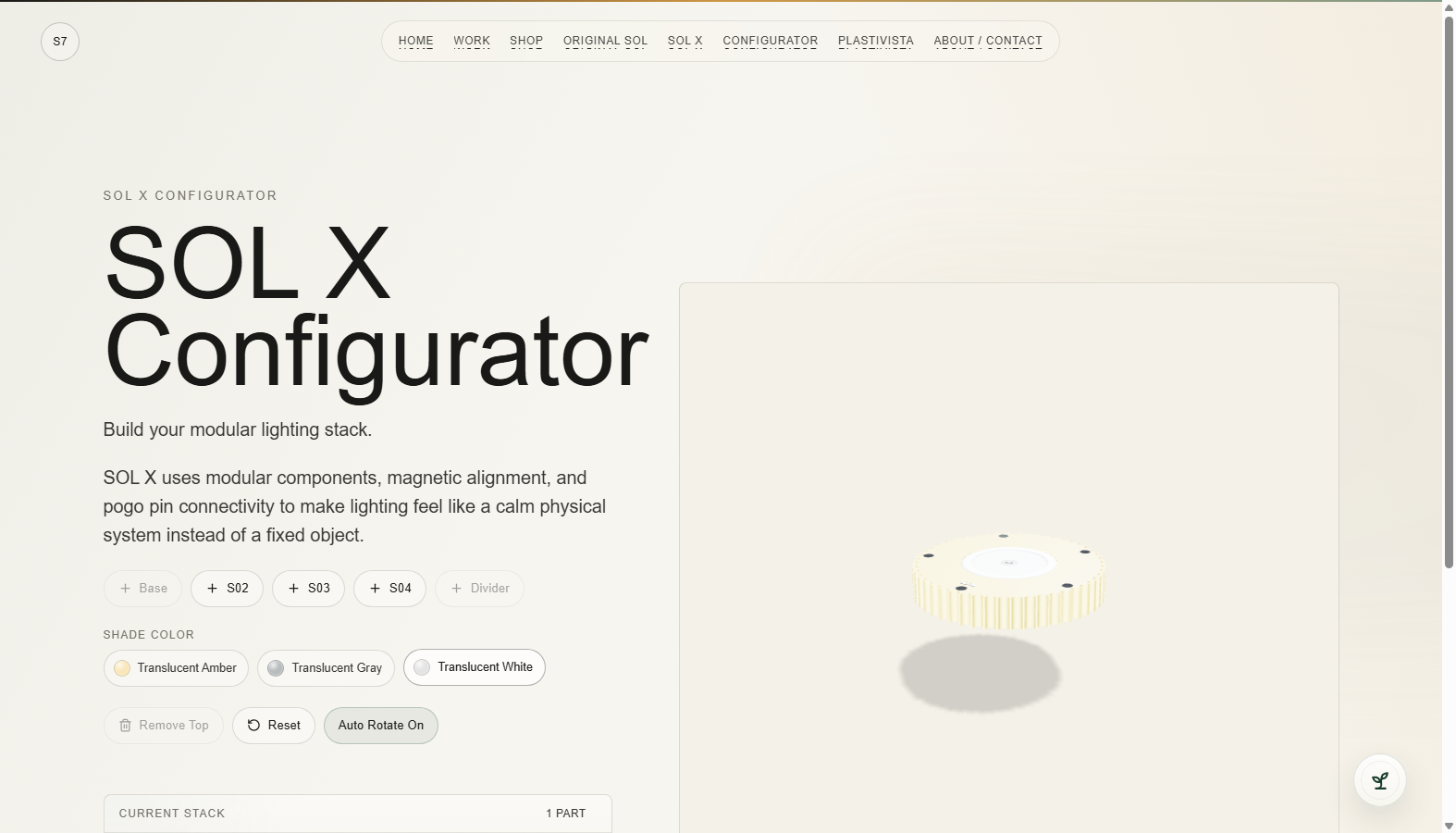
Sol Seven Studios Storefront + Configurator
Product-facing prototype for modular exploration.
Sol Seven Studios was developed as the product-facing side of the system. The live storefront prototype explores how customers could browse, understand, and configure modular lamp combinations before purchase.
Open Sol Seven Studios Prototype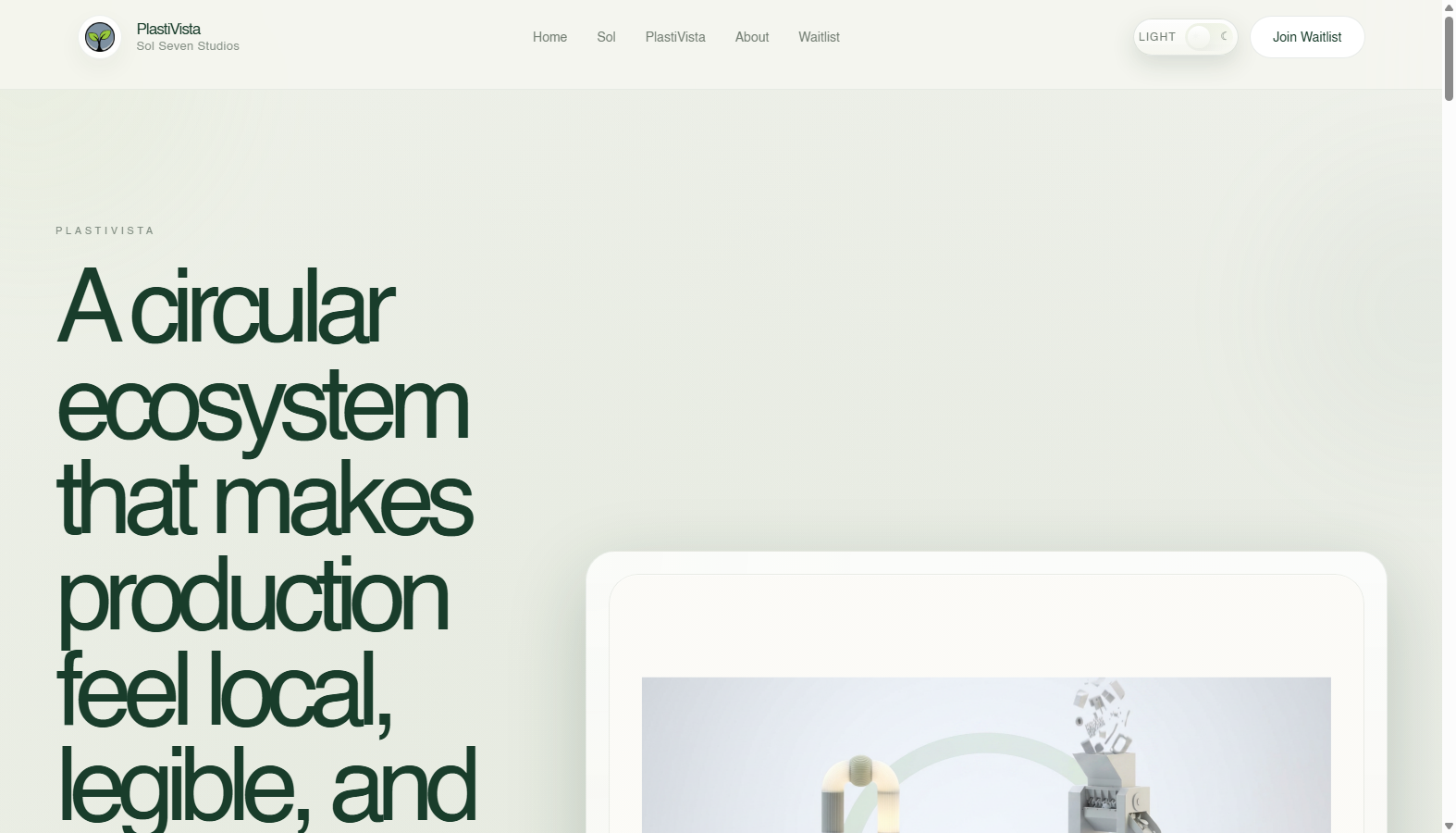
PlastiVista System Site + Waitlist
Market-ready communication for a circular production model.
The PlastiVista site translates the circular manufacturing system into a public-facing platform, using a working waitlist to measure interest from businesses and communities that could participate in local material recovery.
Open PlastiVista System Site
09
Final outcome and vision
Distributed local circular manufacturing.
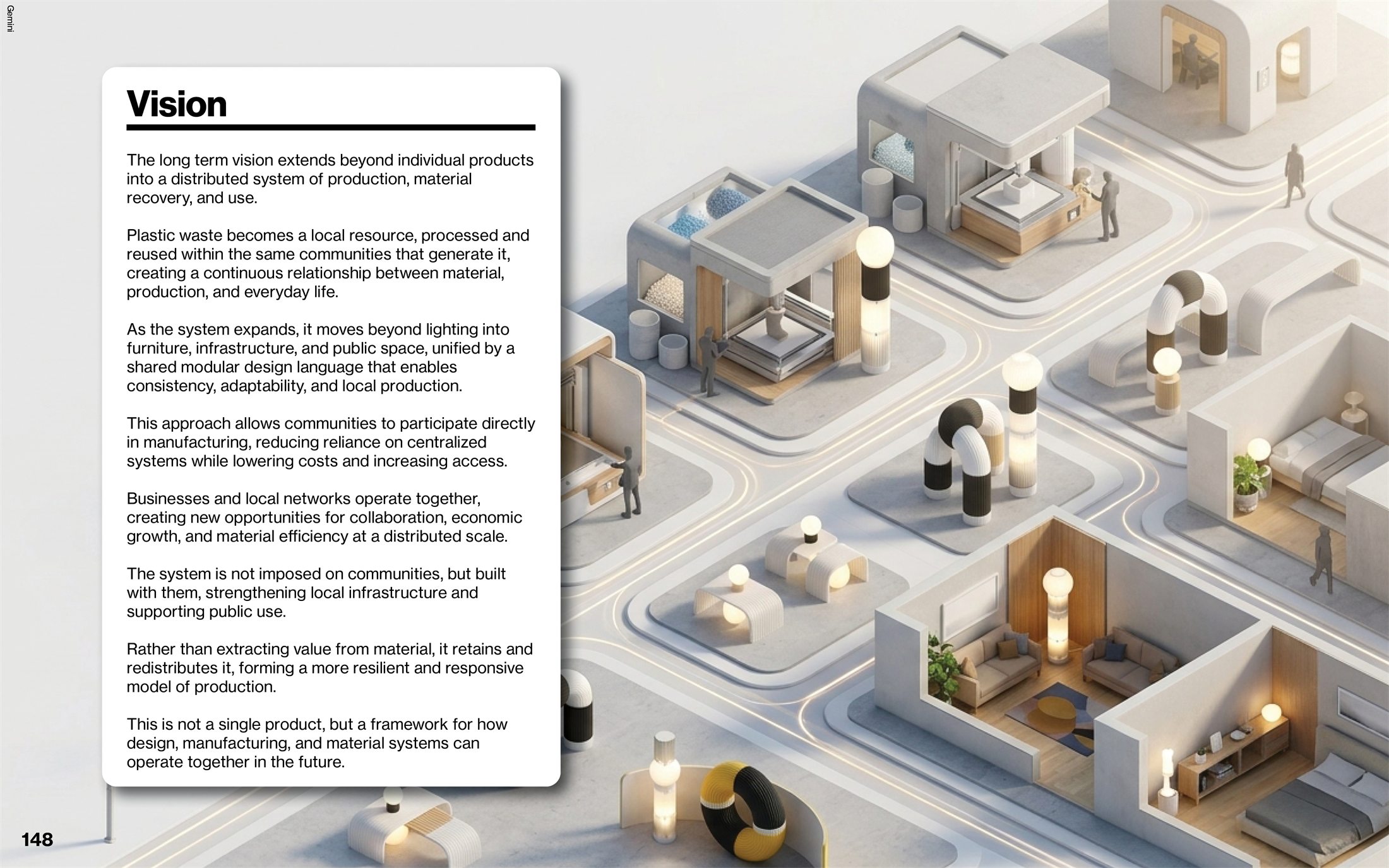
PlastiVista proposes a scalable model for studios, schools, and small manufacturers that want more control over their material loop. The value is not only environmental. It is creative, educational, and infrastructural: design decisions become connected to material consequences.
The project closes the distance between design, engineering, and fabrication. It shows that circularity can be built into the workflow, not added as a claim after the product is finished.